

There are certain frontiers in travel that alter not only geography, but perspective itself.
For centuries, the most transformative journeys were never merely about movement. The Grand Tour reshaped Europe’s aristocratic imagination through art and antiquity. Polar expeditions confronted explorers with silence, scale and existential vulnerability. Early transatlantic crossings condensed continents while redefining modernity itself. The most meaningful voyages have always reflected the cultural ambitions of their era.
Today, another threshold is quietly emerging above the Earth.
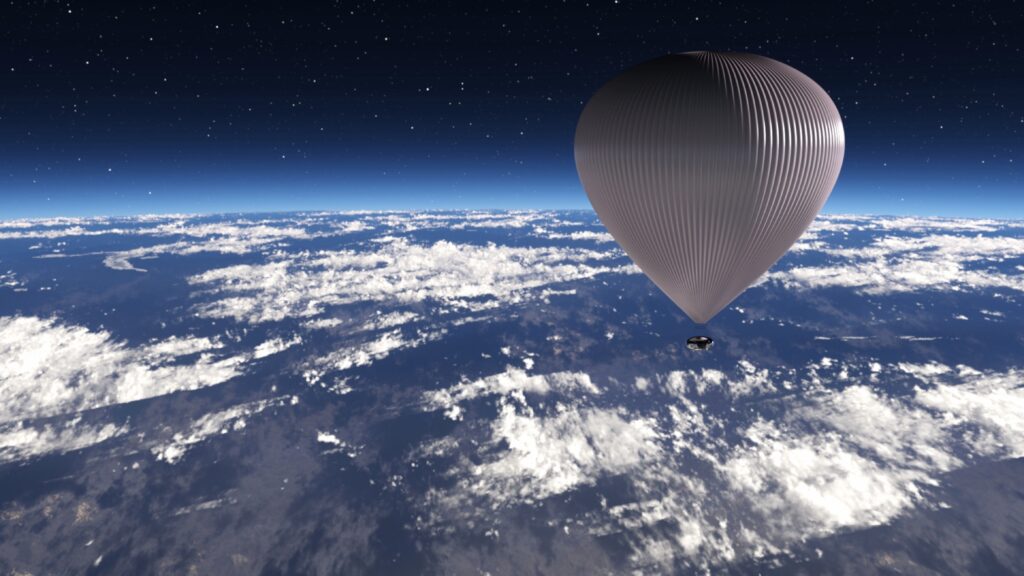
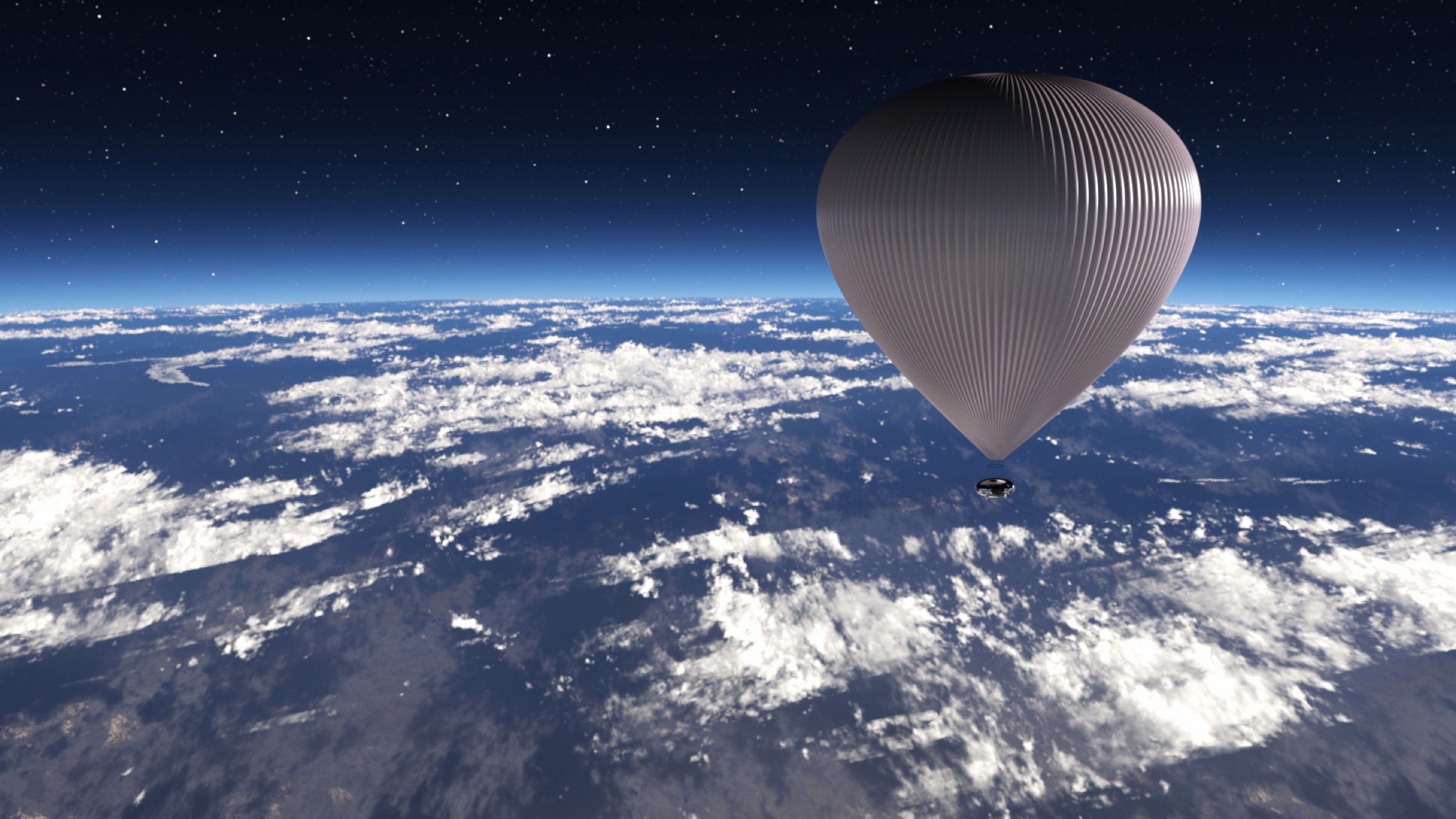
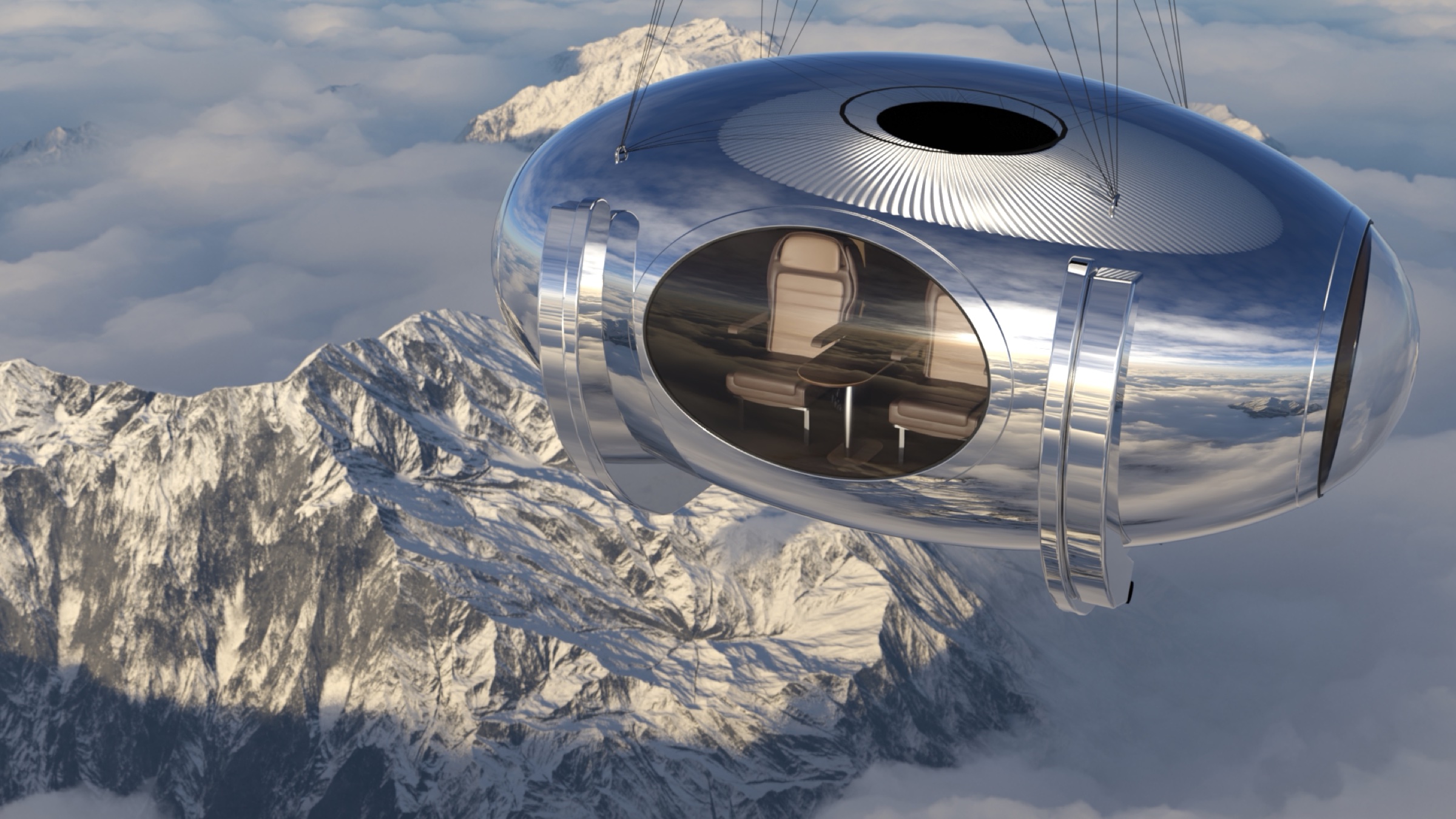
Not through rockets associated with spectacle or technological bravado, but through something far more nuanced: a slower, contemplative ascent into the stratosphere. Zephalto, the French space travel company preparing luxury balloon voyages to 25 kilometres above the Earth, represents a profound shift in how humanity may begin approaching near-space exploration. For the discerning traveller, this distinction matters enormously.
The modern luxury landscape has become saturated with acceleration. Faster itineraries, louder visibility, increasingly performative forms of exclusivity. Yet true rarity has begun migrating elsewhere, toward experiences capable of generating emotional and intellectual transformation rather than simple access.
Zephalto belongs firmly within this new category.
Its voyages are not positioned as conquest, nor as extreme adventure in the conventional sense. Instead, the experience draws unexpectedly from older European traditions of cultivated travel, scientific curiosity and ritualised ascent. The company describes the journey as “48 hours embracing the French art de vivre,” combining high gastronomy, refined hospitality and a six-hour stratospheric flight reaching approximately 80,000 feet above Earth.The symbolism of this approach is deeply French.
France has historically occupied a singular relationship with flight and aeronautics. From the Montgolfier brothers’ first hot-air balloon ascents in the eighteenth century to the pioneering spirit of Aéropostale and Concorde, French aviation culture has often treated flight not merely as engineering, but as philosophy, an extension of elegance, intellectual ambition and human imagination. Zephalto appears to inherit this lineage consciously.
Unlike the aggressively technological aesthetics associated with many contemporary space initiatives, its vision evokes another tradition entirely: the salon culture of scientific exploration, where discovery remained intertwined with refinement, reflection and civilisation itself. Even the company’s operational language, centred around gastronomy, hospitality and ceremonial preparation, suggests a deliberate resistance to the militarised or commercial vocabulary that has historically dominated aerospace culture. This repositioning may ultimately become Zephalto’s greatest cultural significance.
Space, for decades, belonged either to state power or billionaire spectacle. It existed as geopolitical theatre, scientific competition or entertainment fantasy. Zephalto introduces another possibility: near-space as contemplative territory.
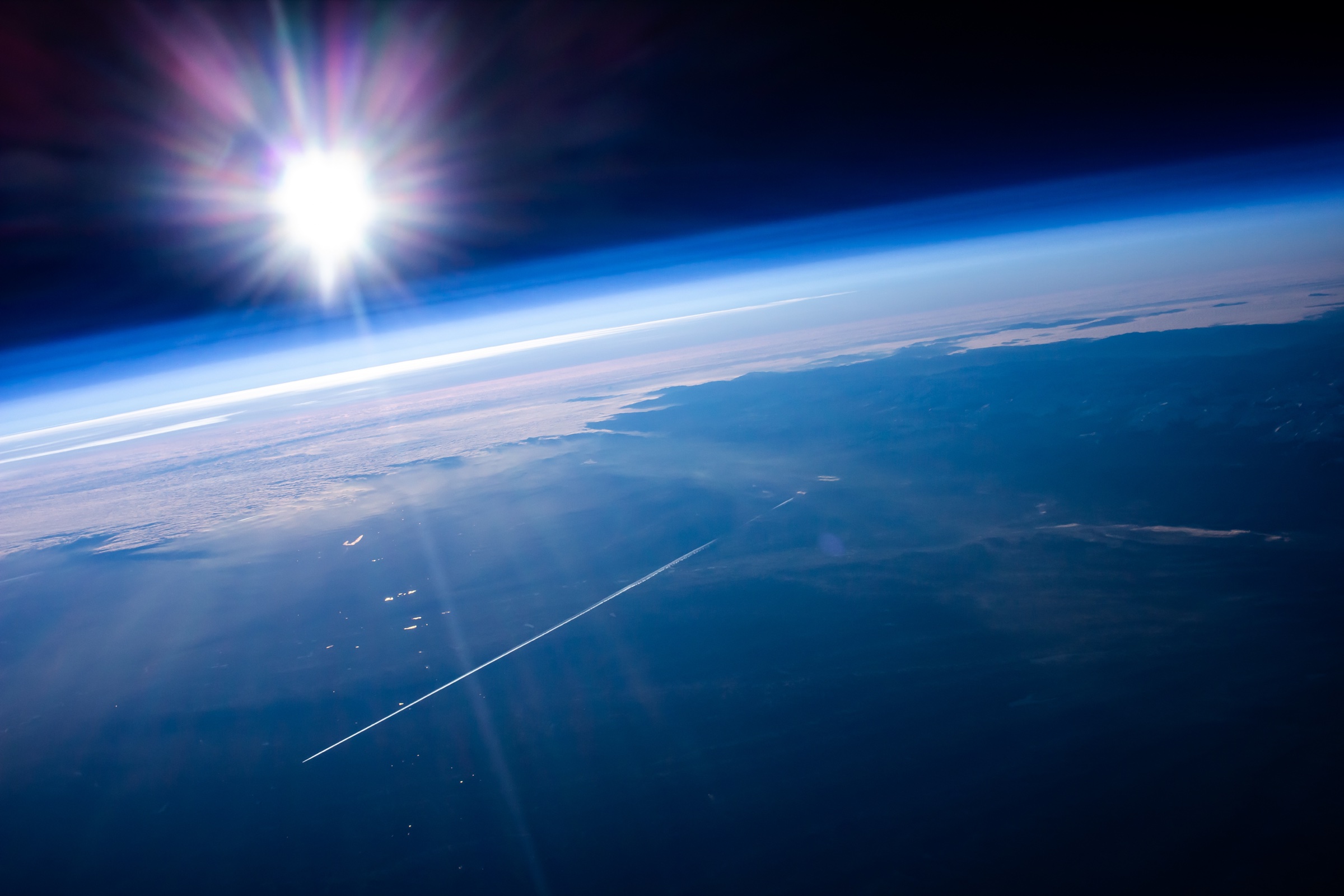
The company frequently references the “Overview Effect,” the psychological phenomenon experienced by astronauts who observe Earth from above and undergo a profound cognitive shift regarding humanity’s fragility and interconnectedness. Historically, this idea has occupied an almost mythic position within astronaut testimony. Apollo astronauts described overwhelming sensations of unity, humility and existential clarity upon seeing the Earth suspended within darkness. What had once seemed politically divided became visually indivisible. National borders disappeared entirely.
Until recently, such experiences remained inaccessible outside elite governmental programs.
Zephalto changes the cultural proximity of that possibility.
Its slower balloon ascent is particularly significant because it transforms the psychology of space travel itself. Traditional rocket launches prioritise intensity: acceleration, force, adrenaline. Zephalto’s pressurised capsule instead ascends gradually over several hours beneath a stratospheric balloon, creating conditions closer to observation than endurance. In an age increasingly defined by overstimulation, this distinction feels remarkably contemporary.
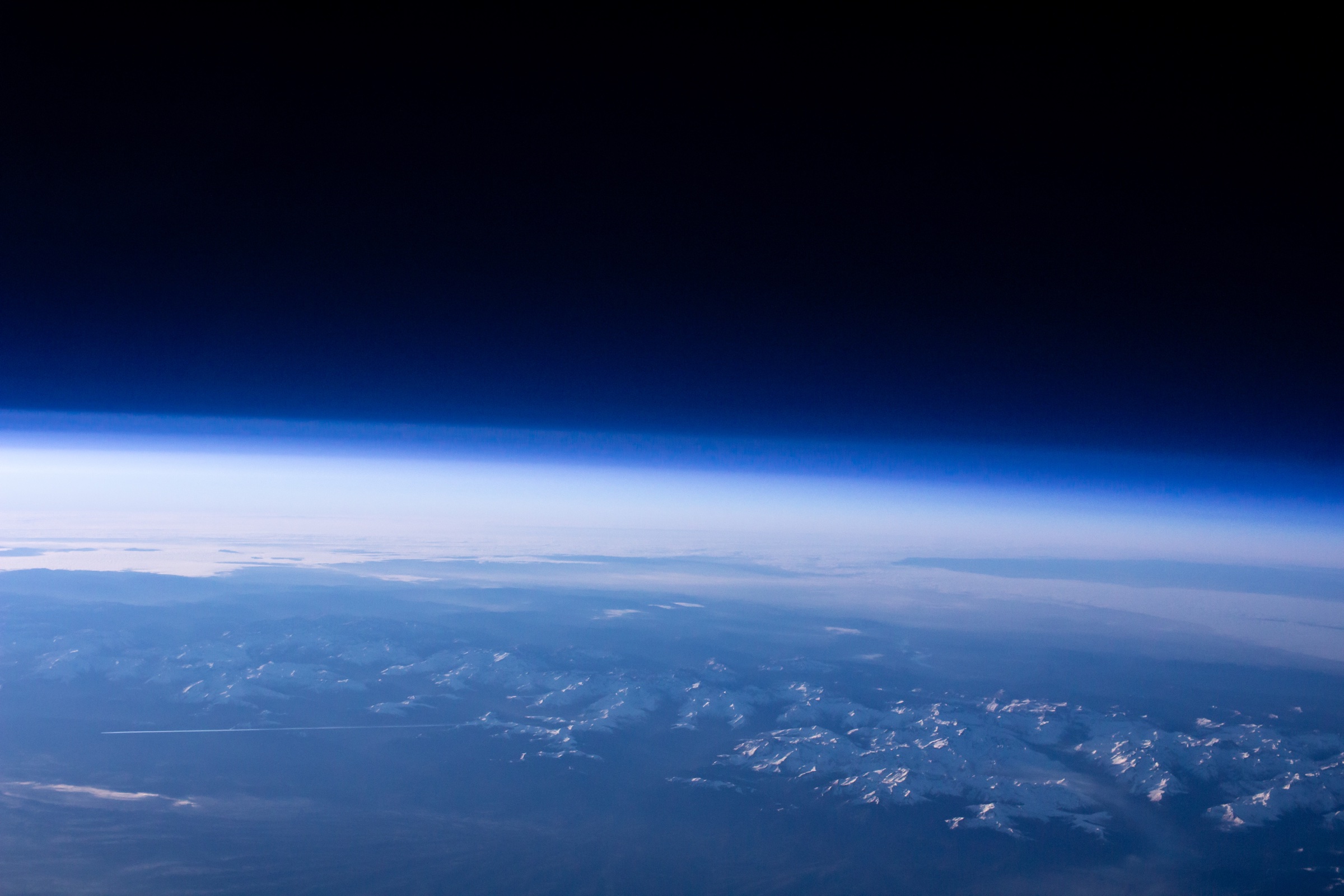
The stratosphere becomes not an arena of conquest, but of stillness.
That atmosphere of stillness also aligns with broader evolutions occurring within luxury culture itself. Among globally sophisticated travellers, there is growing fatigue around obvious displays of privilege. Access alone no longer guarantees meaning. Increasingly, value resides in experiences capable of altering perception, intellectually, emotionally and philosophically.
A stratospheric ascent inevitably belongs within this category because it reconnects travel with scale.
Modern mobility has largely erased our awareness of planetary distance. Commercial aviation compresses continents into logistical routines. We cross oceans while barely registering geography beneath us. Zephalto reverses this abstraction by reintroducing slowness, altitude and observation into the experience of movement itself.
There is also something profoundly symbolic about the altitude Zephalto has chosen.
At approximately 25 kilometres above Earth, travellers do not fully leave the planet. They remain suspended at the threshold between atmosphere and space, where the curvature of Earth becomes visible against the darkness beyond. This liminal positioning feels culturally resonant today.
We are living through a historical moment defined by transition – ecological, technological and existential. Humanity is simultaneously hyperconnected and fragmented, technologically advanced yet psychologically exhausted. Experiences that create perspective rather than distraction increasingly carry deeper relevance.
Seen through this lens, Zephalto’s significance extends beyond tourism entirely.
It becomes part of a broader cultural movement toward transformative travel experiences that privilege consciousness over consumption.
The structure of the journey itself reinforces this philosophy. Accommodation in carefully selected hotels, transfers between the spaceport and landing sites, and curated culinary experiences position the ascent within a wider ritual of preparation and decompression. This ritual dimension recalls older traditions of expeditionary travel, when voyages involved anticipation, intellectual framing and ceremonial departure rather than instantaneous gratification. Historically, transformative journeys required psychological transition. Zephalto appears to understand that the emotional architecture surrounding the flight may matter as much as the ascent itself.
Even the company’s operational discretion reflects evolving expectations among ultra-high-net-worth travellers.
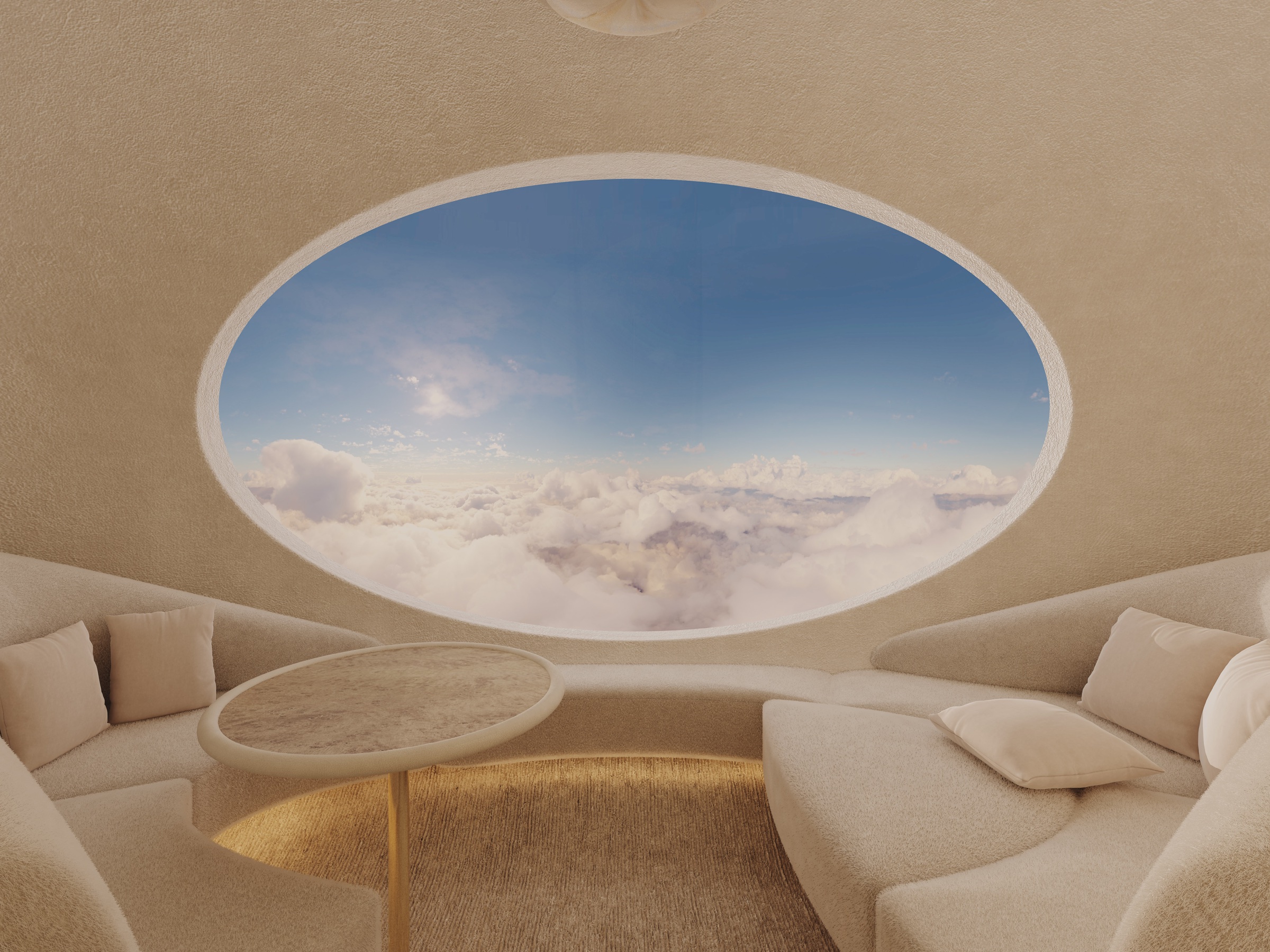
Current voyages are limited either to individual participation or capsule privatisation for up to four guests. Such intimacy fundamentally changes the social atmosphere of the experience. This is not mass tourism translated into premium pricing; it is an intentionally constrained environment designed around rarity, privacy and emotional depth.
The booking structure, involving phased reservation processes, extensive preparation and cancellation protections developed in partnership with Marsh, further reflects the seriousness with which Zephalto approaches traveller confidence and operational integrity. Yet perhaps the most compelling aspect of Zephalto is what it suggests about the future identity of luxury itself.
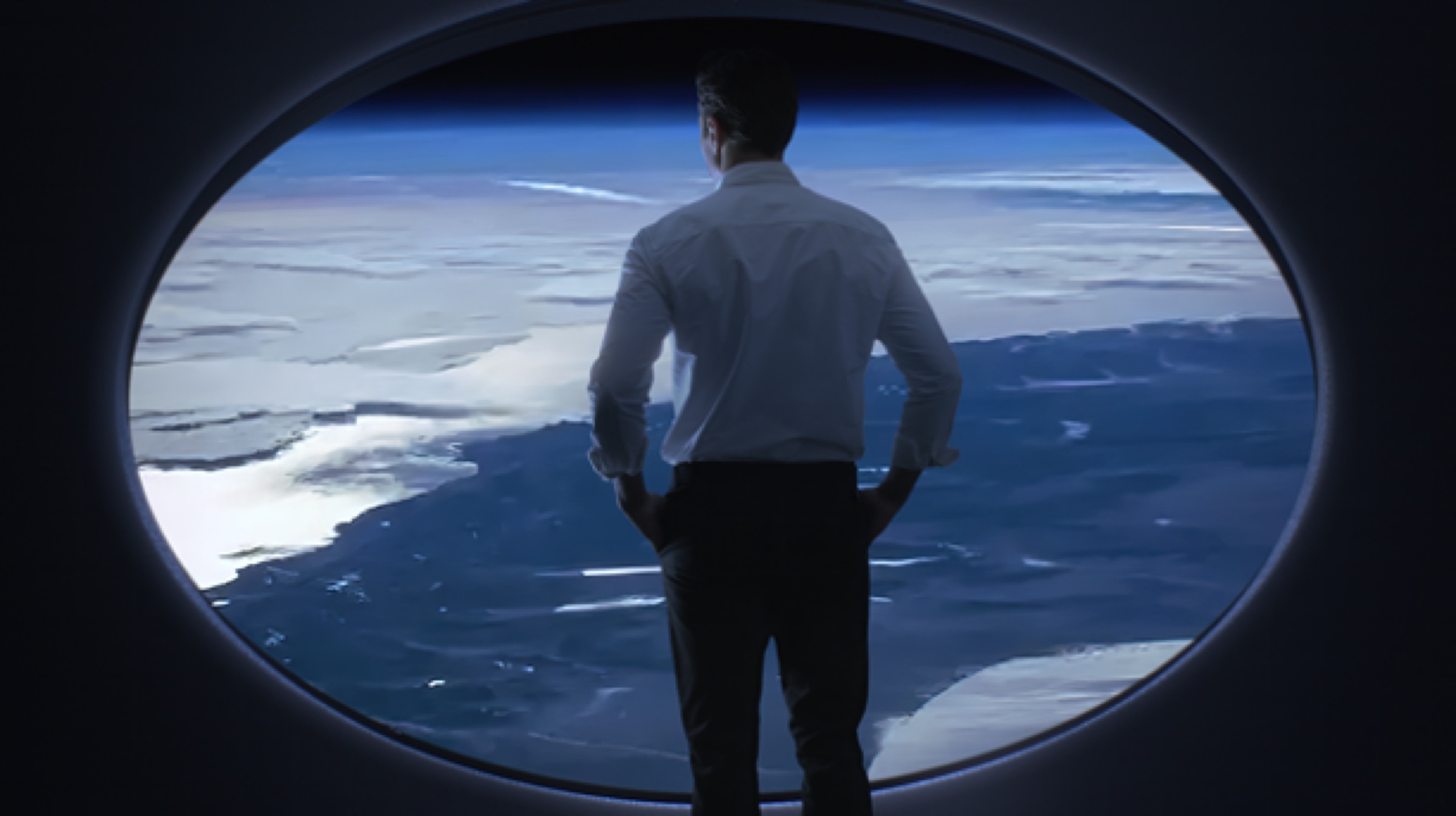
For decades, luxury travel largely revolved around physical comfort, remote geography and material excess. But the next frontier appears increasingly psychological. The most meaningful experiences of the coming era may be those capable of generating altered awareness rather than visible status.
This helps explain why stratospheric travel resonates so strongly with a certain type of traveller, not necessarily those seeking thrill, but those drawn toward perspective.
There is historical precedent for this impulse.
Throughout history, elites have often pursued journeys intended to reframe their understanding of civilisation and self: pilgrimages, polar expeditions, private ocean crossings, desert traverses, scientific voyages. Such experiences signalled not consumption alone, but intellectual and existential curiosity.
Zephalto belongs within that lineage far more convincingly than within conventional luxury tourism.
Its significance lies not in “going to space,” but in momentarily seeing humanity differently.
And perhaps that is why the project feels unexpectedly timely.
At a moment when the world has become simultaneously more visible and more fragmented, the act of quietly ascending above it – slowly enough to contemplate its fragility – may become one of the most profound journeys available in modern travel culture.
For those interested in how frontier exploration is being redefined through refinement, perspective and discretion, Zephalto opens a conversation that extends far beyond aviation itself. It invites a reconsideration of what transformative travel may mean in the decades ahead.
