

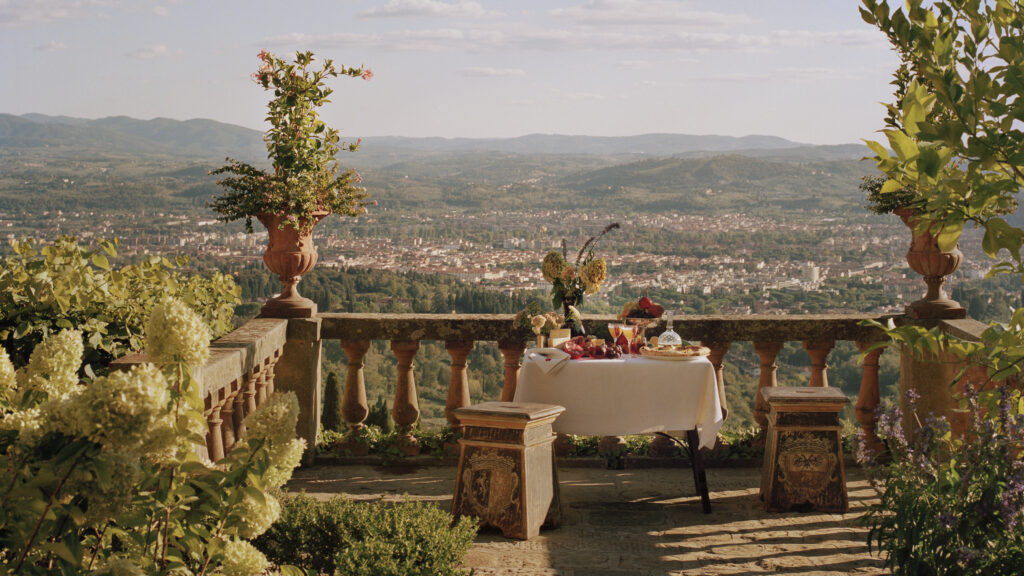
There are places in Italy where the landscape feels composed rather than accidental — where history, topography, and human ambition settle into an enduring equilibrium. Villa San Michele, set on the hills of Fiesole above Florence, is one of those places. Neither fully of the city nor removed from it, the former Franciscan monastery occupies a liminal position: a threshold between contemplation and engagement, withdrawal and perspective.
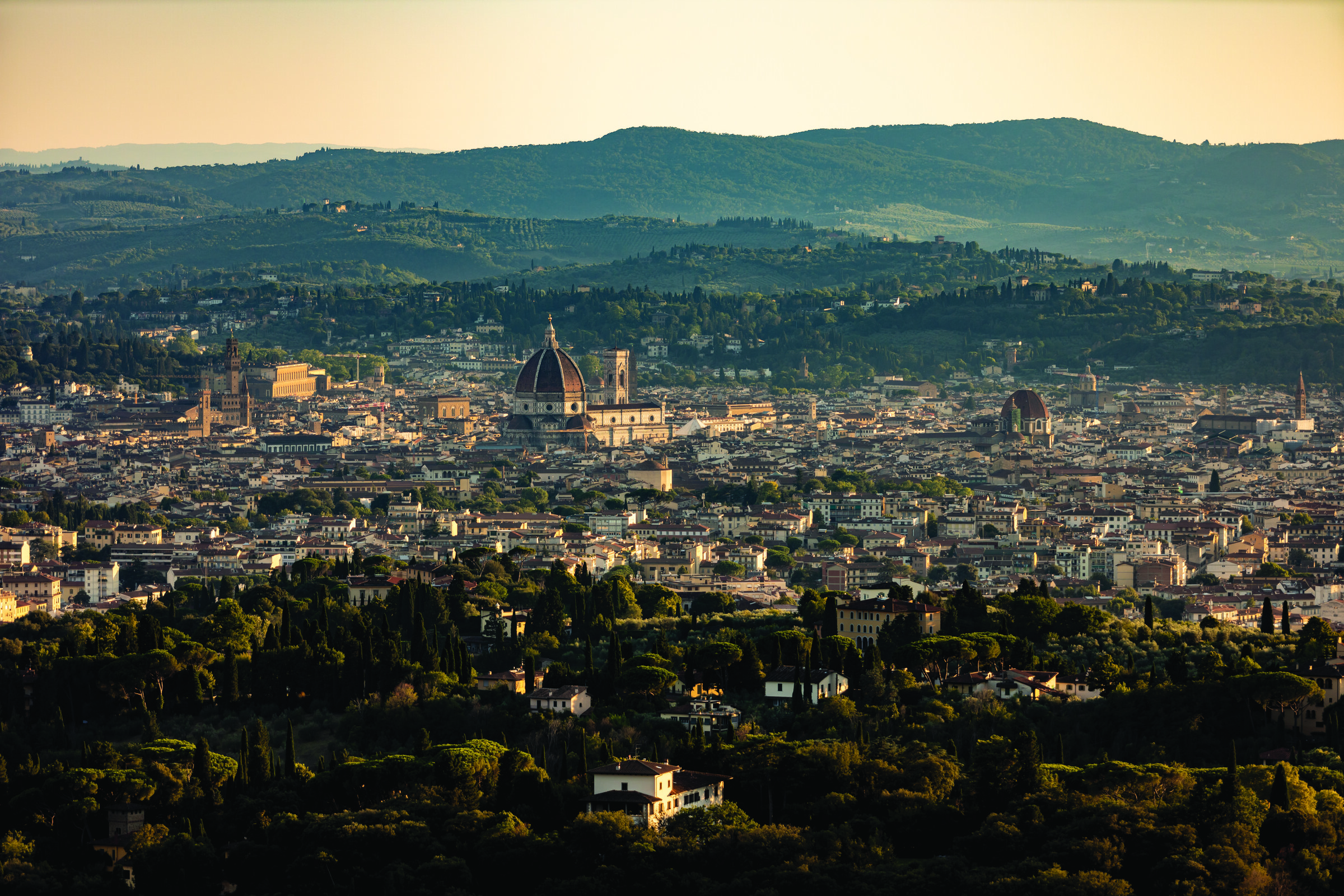
For the discerning traveller, Villa San Michele matters not because it offers views of Florence — many places do — but because it frames the city within a deeper historical and cultural conversation. This is Florence seen not from within its streets, but from a reflective distance, as Renaissance thinkers themselves once sought to do.
A Monastery Shaped by the Renaissance Mind
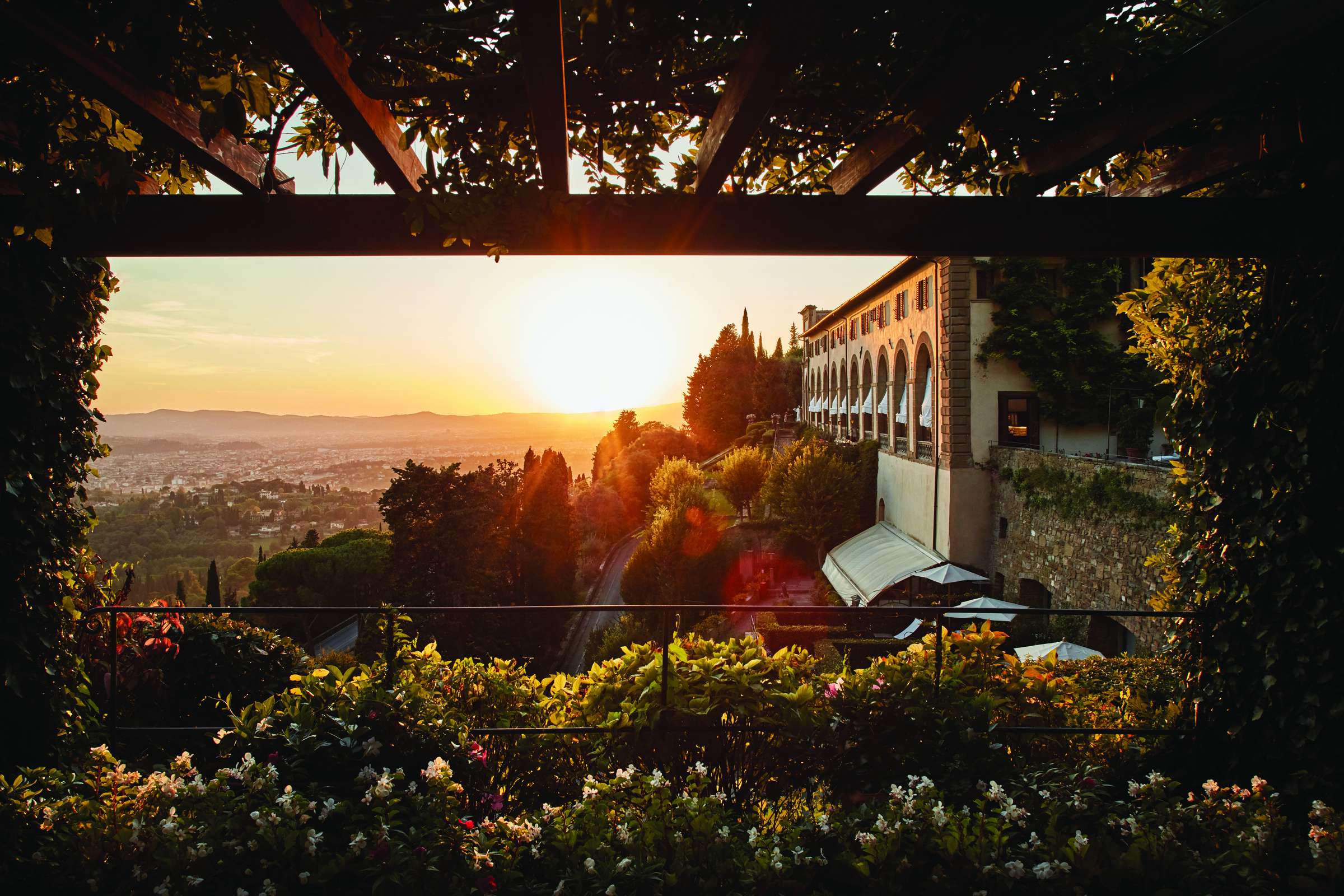
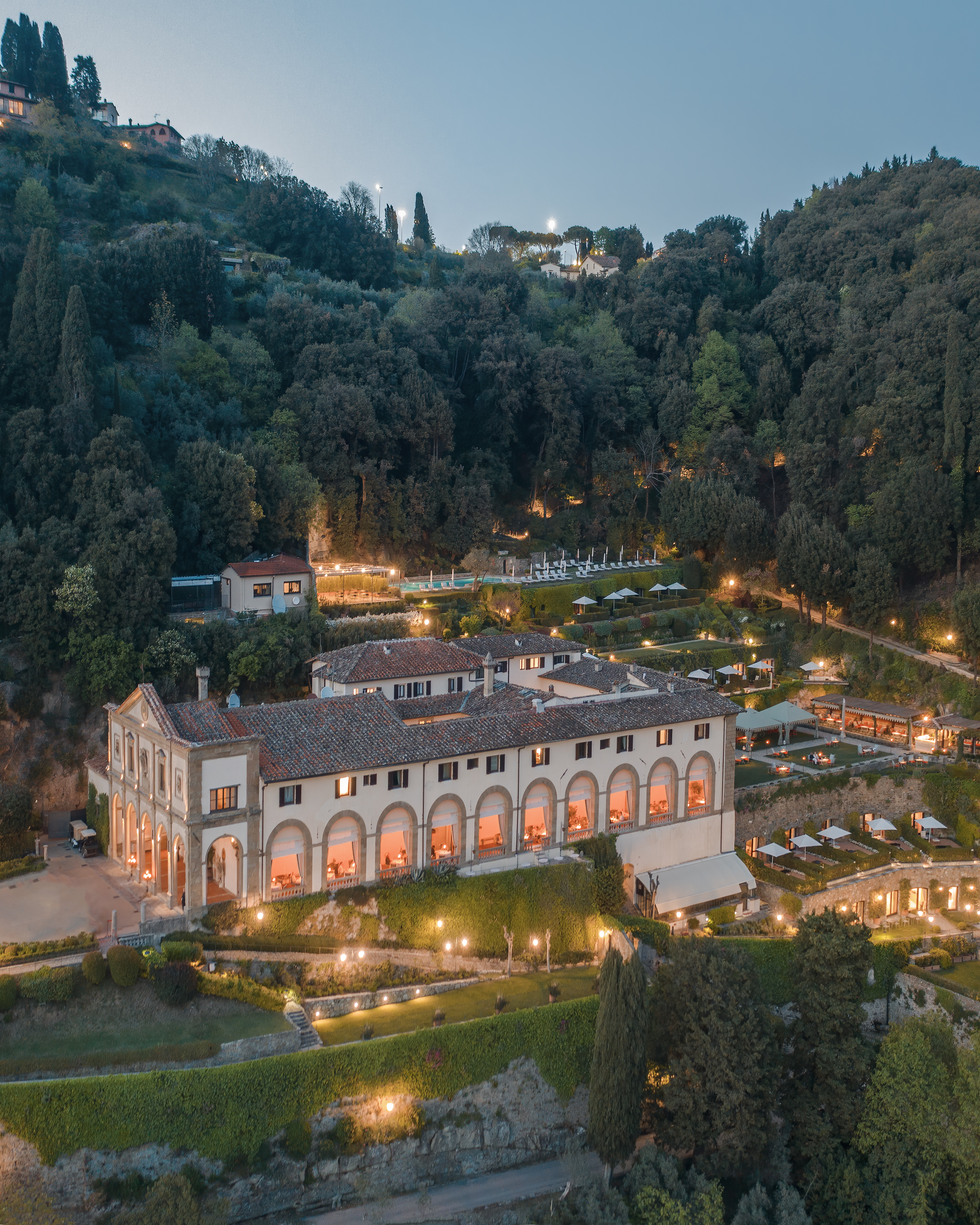
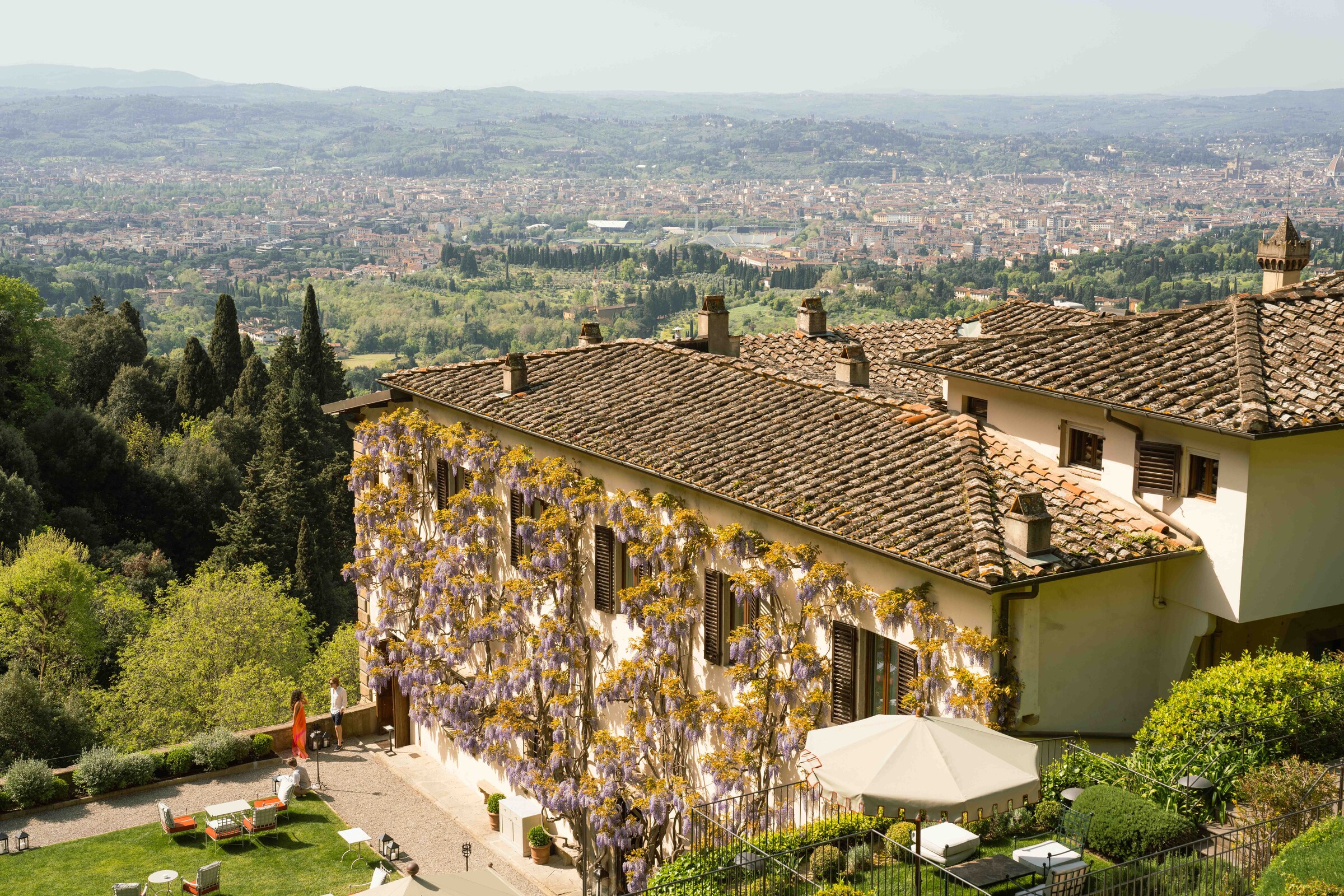
Originally built as a 15th-century Franciscan monastery, Villa San Michele is inseparable from the intellectual climate that produced it. Its façade, attributed to the circle of Michelangelo, carries the Renaissance preoccupation with proportion, harmony, and human scale — an architecture designed not to dominate nature, but to converse with it.
The setting is equally deliberate. The wooded hills of Fiesole were not merely pastoral; they were experimental. Leonardo da Vinci is said to have tested his flying machines in these surrounding landscapes, drawn by wind patterns and open vistas that encouraged speculation beyond the possible. The site thus occupies a symbolic lineage of inquiry — spiritual, artistic, and scientific — rarely preserved so intact.
From Sacred Retreat to Cultural Salon
As centuries passed, the monastery’s role evolved. What began as a place of religious contemplation gradually became a site of cultural exchange. By the era of the Grand Tour, the villa and its environs were already recognised as a vantage point — both literal and intellectual — from which to understand Florence and its legacy.
That lineage is embedded in the building itself. Certain suites extend across the original façade, spaces once inhabited by historical figures such as Napoleon Bonaparte, who resided here during his Italian campaigns. These are not anecdotes offered for intrigue, but markers of continuity: Villa San Michele has long attracted those who arrived not merely to visit Florence, but to interpret it.
Restoration as an Act of Restraint
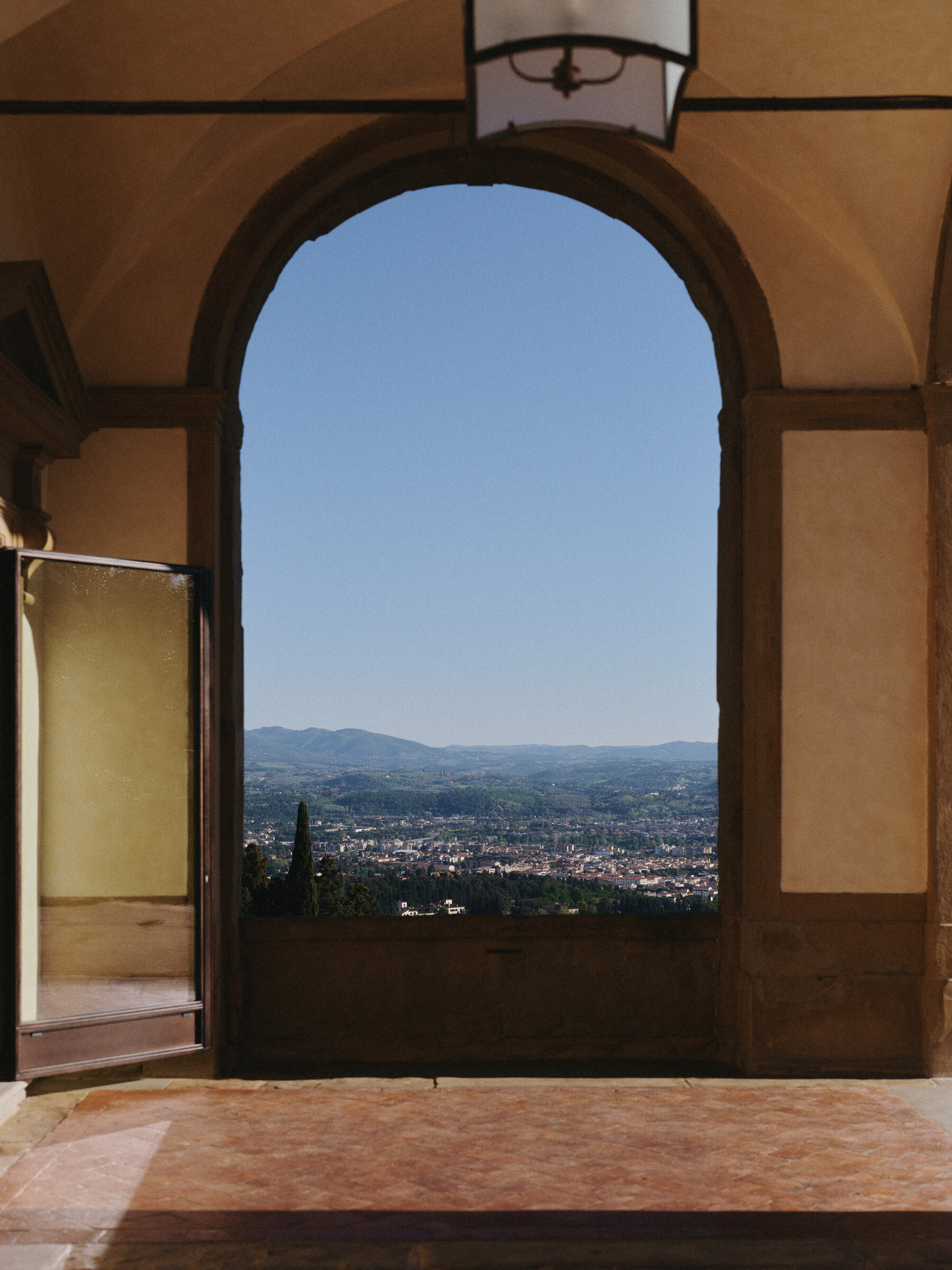
Completed in 2025, the most recent renovation of Villa San Michele is best understood as an act of editorial judgment rather than reinvention. The objective was not to modernise the monastery into anonymity, but to reassert its original clarity. Architectural lines were respected, materials conserved, and spatial hierarchies preserved.
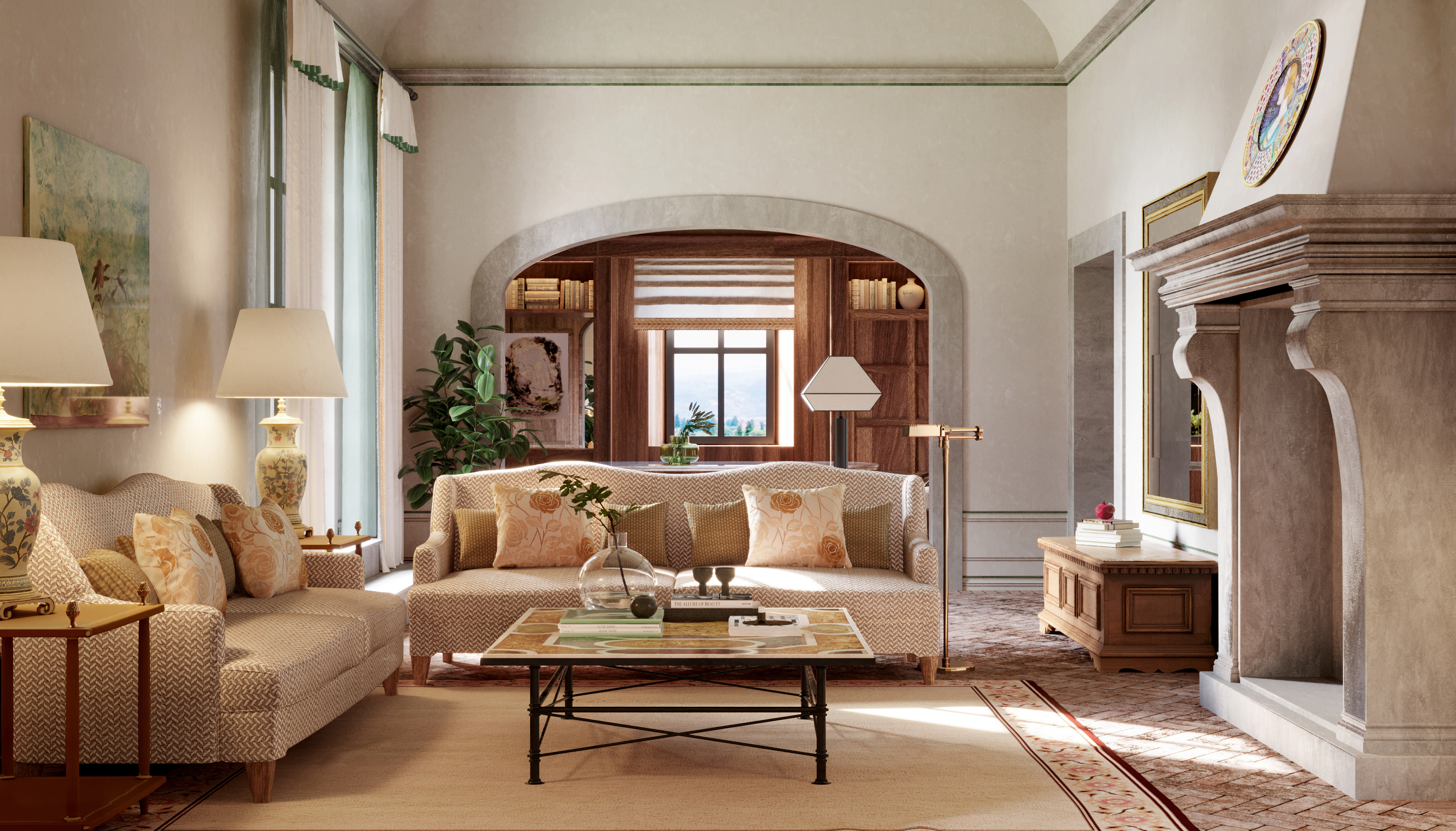
The result is a rare balance. Interiors remain calm and unforced, allowing light, stone, and proportion to speak first. Rooms and suites — just 39 in total — feel individual rather than standardised, many opening onto terraces or balconies overlooking Florence. This limited scale is not incidental; it sustains the sense of privacy and intellectual quiet that has defined the property for centuries.
Gardens as Living Philosophy
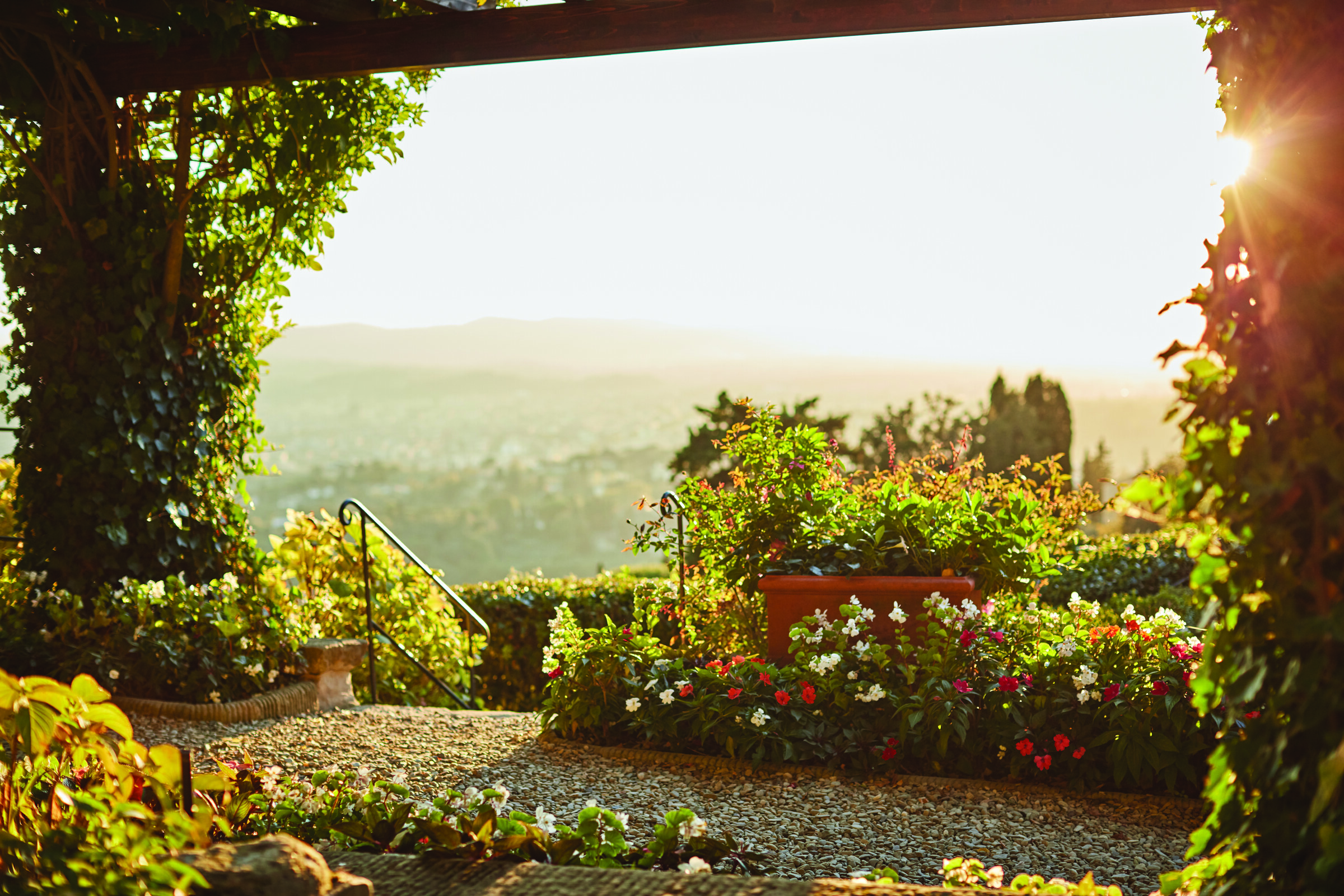
The terraced gardens of Villa San Michele are not ornamental appendages but integral to its identity. Designed to follow the natural contours of the hillside, they reflect Renaissance ideals of balance between cultivation and wilderness. Cypress, olive, and flowering plants create outdoor rooms where conversation, solitude, and observation unfold without choreography.
As the sun lowers over Florence, these gardens become a place of pause rather than performance. The city’s dome and towers appear softened by distance, stripped of urgency. It is here that Villa San Michele reveals its true function: not as a vantage point for spectacle, but as a setting for perspective.
Gastronomy as Cultural Continuity
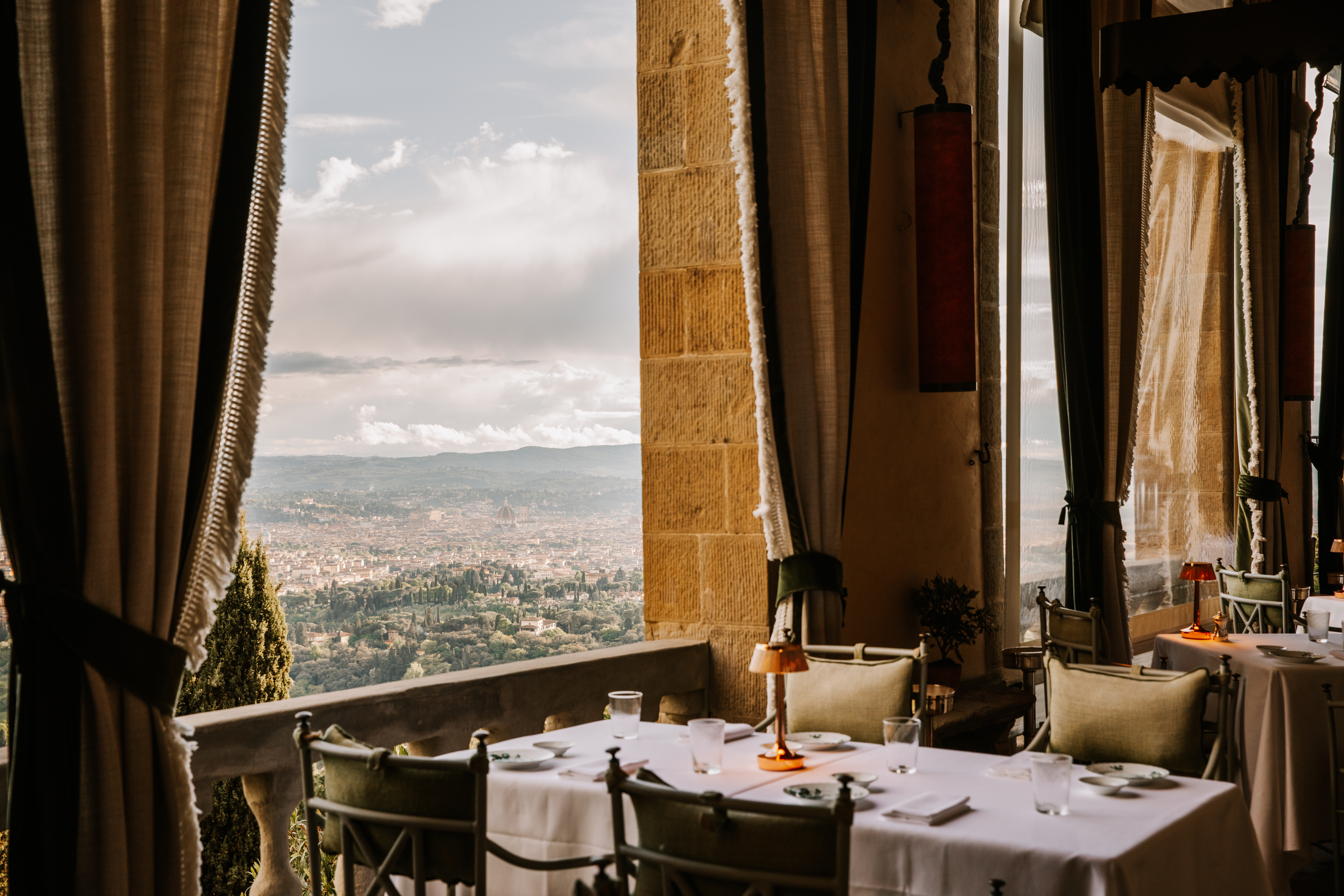
Dining at Villa San Michele is shaped by context rather than trend. The Loggia restaurant — with its limited number of tables — overlooks Florence much as Renaissance loggias once did: spaces designed for reflection, discourse, and measured pleasure. Cuisine follows the same logic: rooted in Italian tradition, attentive to local sourcing, and presented without excess narrative.
Other dining spaces, from the more relaxed Ristorante San Michele to the poolside grill, extend this approach across different moments of the day. What unites them is not variety, but coherence. Meals are framed as part of the villa’s rhythm, not as standalone events competing for attention.
A Place Designed for Distance, Not Escape
Villa San Michele’s relationship with Florence is defined by proximity without immersion. A complimentary shuttle connects guests to the historic centre in approximately twenty minutes, allowing engagement with museums, ateliers, and private collections without surrendering to the city’s density.
This distance is critical. For the experienced traveller — particularly one already familiar with Florence’s canonical landmarks — Villa San Michele offers a way to re-encounter the city indirectly. One returns from the streets to the hills, from accumulation back to synthesis.
Why Villa San Michele Matters Now
In an era where luxury travel increasingly confuses stimulation with substance, Villa San Michele stands apart. It does not seek to dazzle, nor to isolate completely. Instead, it offers something rarer: a cultivated position from which to observe, think, and recalibrate.
For UHNW travellers whose lives are often defined by acceleration and access, the villa’s value lies in its editorial clarity. It reminds us that the most meaningful form of privilege today is not proximity to everything, but the ability to choose one’s distance with intention.
Villa San Michele is not a place to consume Florence. It is a place to understand it — slowly, from above, and within a continuum that has been unfolding for over five centuries.
Conversations around Villa San Michele are best approached quietly, allowing timing, context, and personal rhythm to shape the experience.