

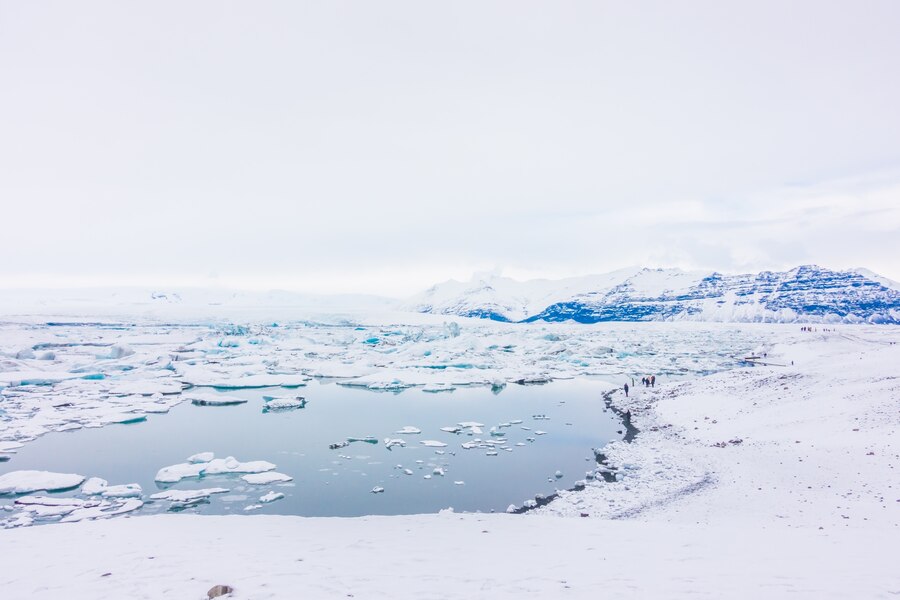
The Arctic Sea is a symbol of the fragility of our global ecosystem. The rapid changes taking place in this polar region affect us all, no matter where we are on the globe. Sea ice in this area plays a crucial role in maintaining global temperatures and regulating ocean circulation.
In this article, you’ll discover why this problem is so important and how you can help tackle it.
What is Arctic sea ice expansion?
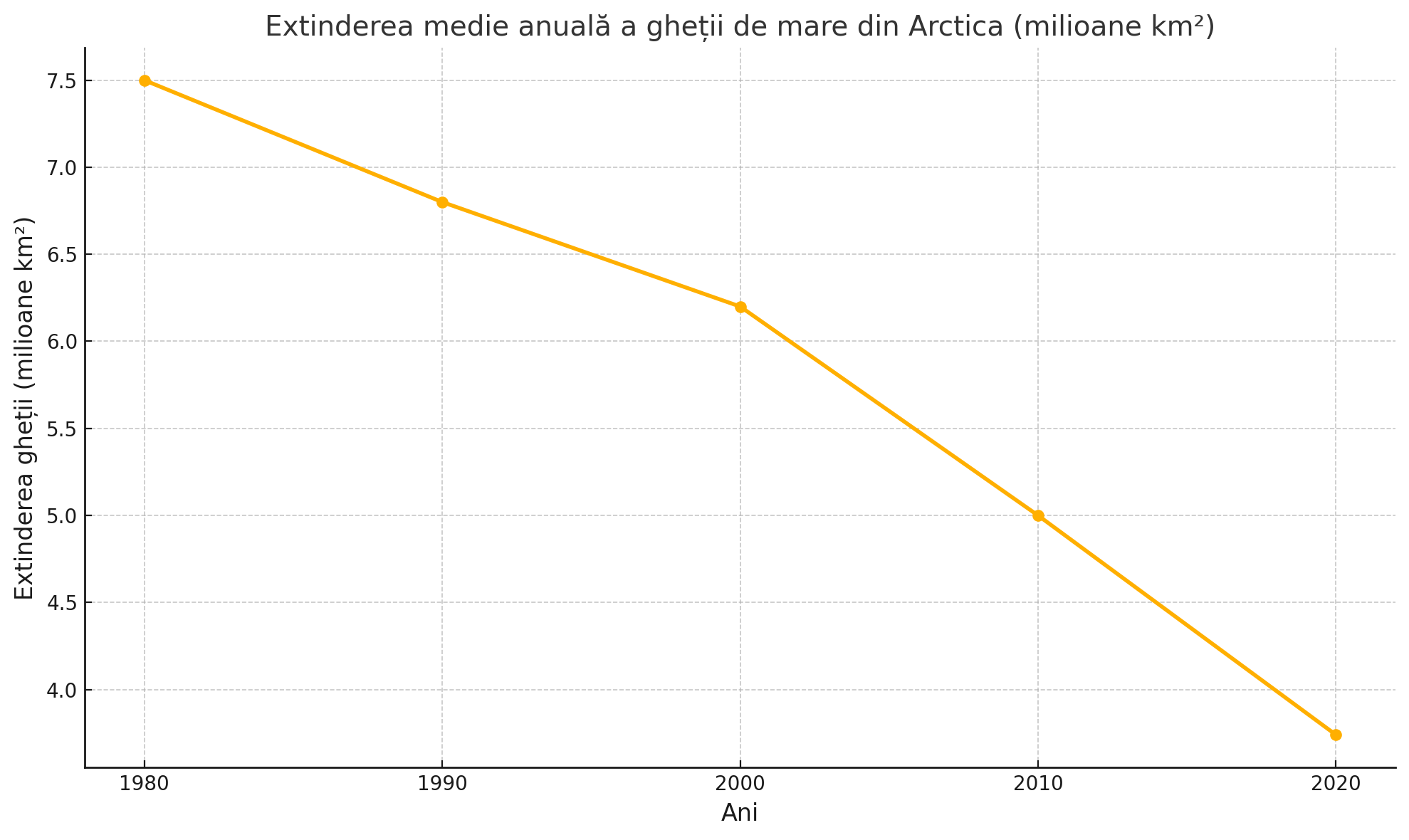
Arctic sea ice is ice that floats on the surface of the ocean. It increases in winter and shrinks in summer, reaching annual minimum levels in September. In recent decades, the minimum ice extent has shrunk drastically, with serious implications for the climate.
– Average ice extent in the 1980s: About 7 million km².
– Average extent in 2020: Less than 4 million km².
– At current rate of loss, the Arctic could become ice-free in summer by 2040.
These figures show how quickly we are losing this vital resource.
Problem accelerating melting of Arctic sea ice
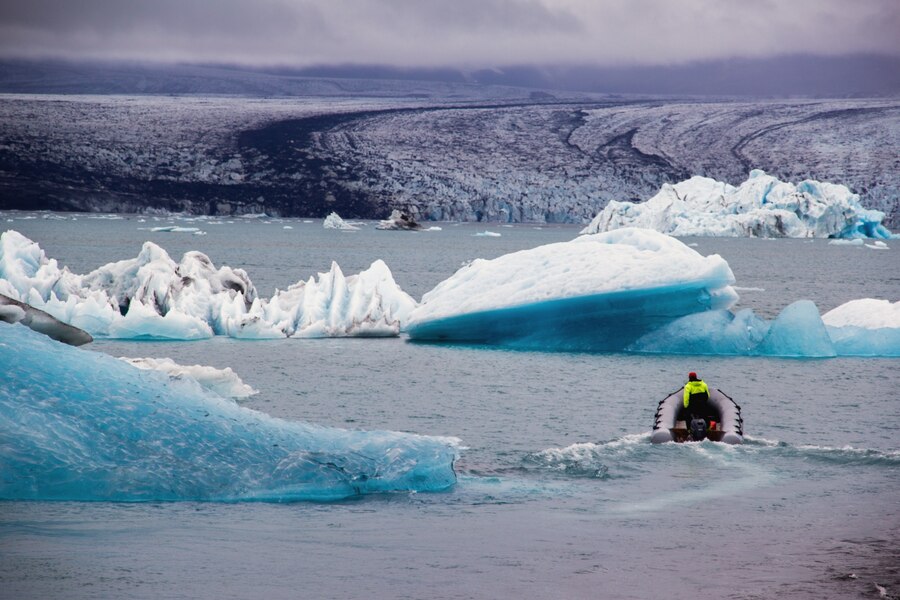
Why is Arctic sea ice melting at such a rapid rate? The main culprit is global warming. Temperatures in the Arctic are rising twice as fast as in other regions of the planet. This process is amplified by the so-called albedo effect, which accelerates warming.
Main factors:
- Increased CO2 emissions –Industrial activities and burning fossil fuels increase global temperatures.
- Reduced ice cover –Less ice means more exposed water, which absorbs more heat.
- Human activities in the region –Exploitation of natural resources and maritime traffic disrupt the ecosystem.
Did you know that every additional degree of warming contributes to the melting of millions of square kilometers of ice? That means massive losses for Arctic wildlife such as polar bears and seals, but also for you, as climate change affects the entire globe.
Climate impact of melting Arctic sea ice
Arctic ice is not just a local problem. It affects the entire planet.
Ocean circulation and extreme weather
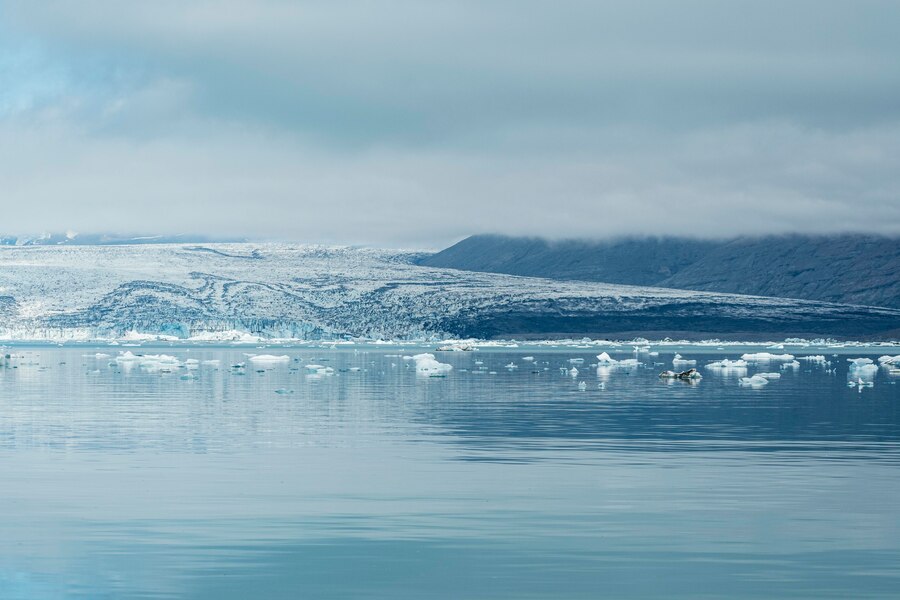
Shrinking sea ice is affecting global ocean currents, including the Gulf Stream. If this process continues, you will see dramatic changes in weather patterns:
– Colder winters in Europe.
– Hotter summers in the northern hemisphere.
– More intense hurricanes and other extreme events.
Sea level rise
Although sea ice does not directly contribute to sea level rise, the melting of glaciers in Greenland, which is linked to the loss of sea ice, is having this effect. Estimates suggest that sea levels could rise by up to 1 meter by 2100, affecting billions of people.
The Arctic and its geopolitical role
In addition to its ecological impact, the Arctic sea ice has growing geopolitical significance. As the ice retreats, shipping routes become accessible and resources such as oil and natural gas can be more easily exploited. This creates tensions between the world’s major powers, including Russia, the US and Canada.
Did you know that around 13% of the world’s untapped oil resources and 30% of its gas reserves are in the Arctic? Access to these resources could radically change the global economy, but at a huge cost to the environment.
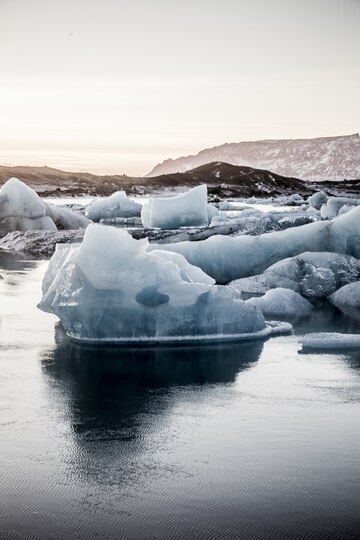
How ocean acidification contributes to Arctic ecosystem degradation
Another serious effect of melting ice is ocean acidification. As more CO2 is absorbed by the water, it becomes more acidic, affecting fragile ecosystems.
Cold-water corals and marine organisms that depend on calcium carbonate to build their shells are hardest hit.
Consequences of acidification:
– Marine ecosystems suffer massive biodiversity loss.
– Arctic food webs are being disrupted.
– Important food sources for indigenous communities are being lost.
What you can do to help the Arctic
Although the situation is serious, you have the power to make a change. Every small step you take can help protect the Arctic.
How you can contribute:
- Reduce carbon footprint:Use renewable energy sources and reduce fossil fuel consumption.
- Avoid environmentally harmful products:Choose sustainable alternatives.
- Support green organizations:Donate or participate in awareness campaigns.
- Educate and inform others:Tell others about the importance of protecting the Arctic.
The Arctic needs you
Arctic sea ice is not just a problem of the polar regions. It is a global problem that affects you directly. With every small action you take, you help save one of the most important ecosystems on the planet.
Source of inspiration:
NASA – Observing Arctic Sea Ice