

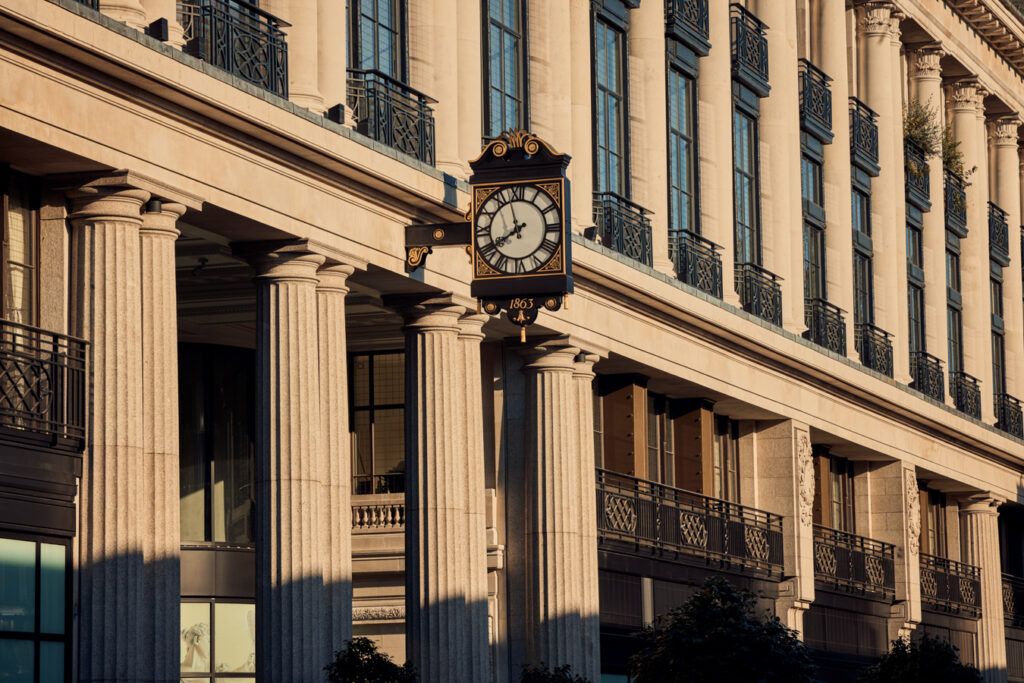
London does not often pause to reinvent itself quietly. Its transformations are usually visible, debated, resisted. Yet occasionally, a change occurs not through spectacle, but through recalibration — when a historic structure is not overwritten, but re-read. The opening of Six Senses London in March 2026 belongs firmly to this latter category.
Set within The Whiteley, a Grade II listed landmark in Bayswater, Six Senses London marks the brand’s first presence in the United Kingdom and one of the city’s most considered responses to a growing question among discerning travellers: what does restoration mean in a metropolis that never truly rests?
The Whiteley: Where Modern Retail — and Modern Desire — Began
The Whiteley building is not an arbitrary shell for a contemporary hotel concept. In the 19th century, it was one of London’s first major department stores and the birthplace of personal shopping — a radical idea at the time, centred on individual preference, discretion, and service shaped around the client rather than the product.
That philosophy, quietly revolutionary in its day, forms an unexpected lineage with Six Senses’ contemporary ethos. The building’s original spiral staircase and domed ceiling remain intact, anchoring the space in its past, while the elegant façade — over a century old and among the oldest hotel façades in Europe — continues to assert a sense of permanence in a city defined by flux.
Rather than neutralising this history, Six Senses London leans into it. Architectural elements have been restored and reimagined with restraint, allowing heritage and contemporary design to coexist without hierarchy. The result is not nostalgia, but continuity.
An Urban Sanctuary, Reconsidered
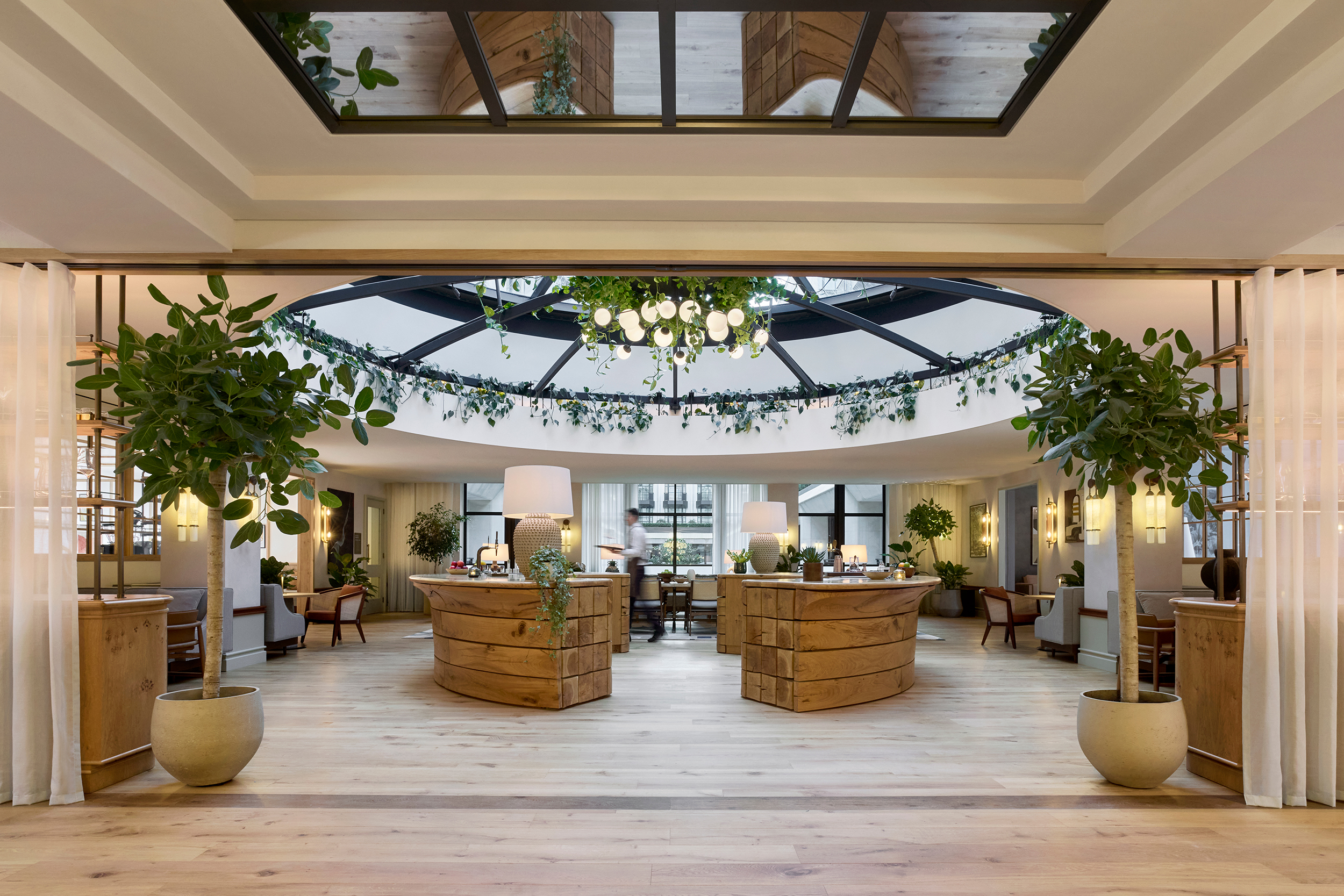
From the moment of arrival, Six Senses London signals a deliberate shift in tempo. More than 1,000 living plants are woven throughout the interiors. Dark timber, natural materials, and generous ceiling heights soften the boundaries between indoors and out, city and sanctuary.
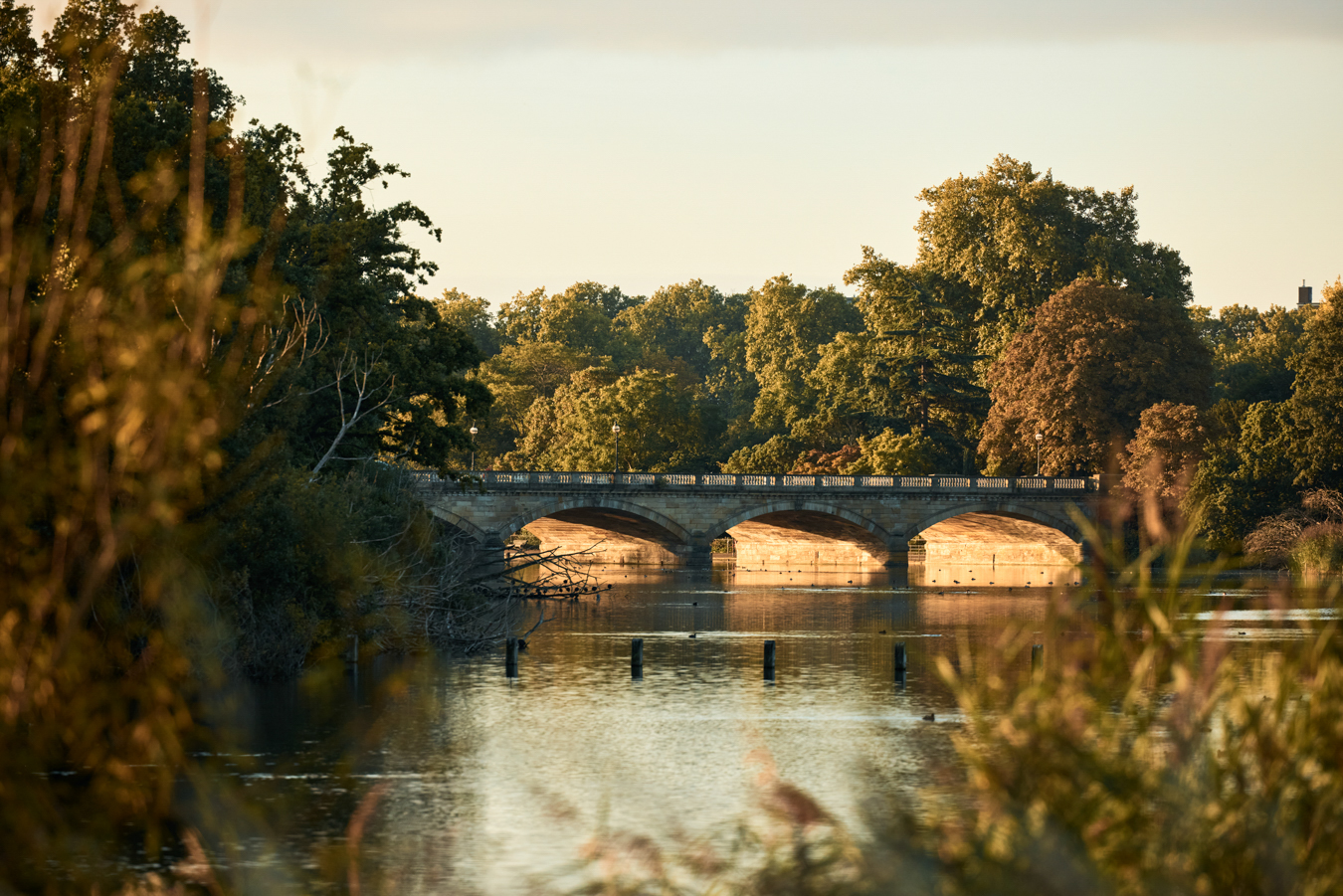
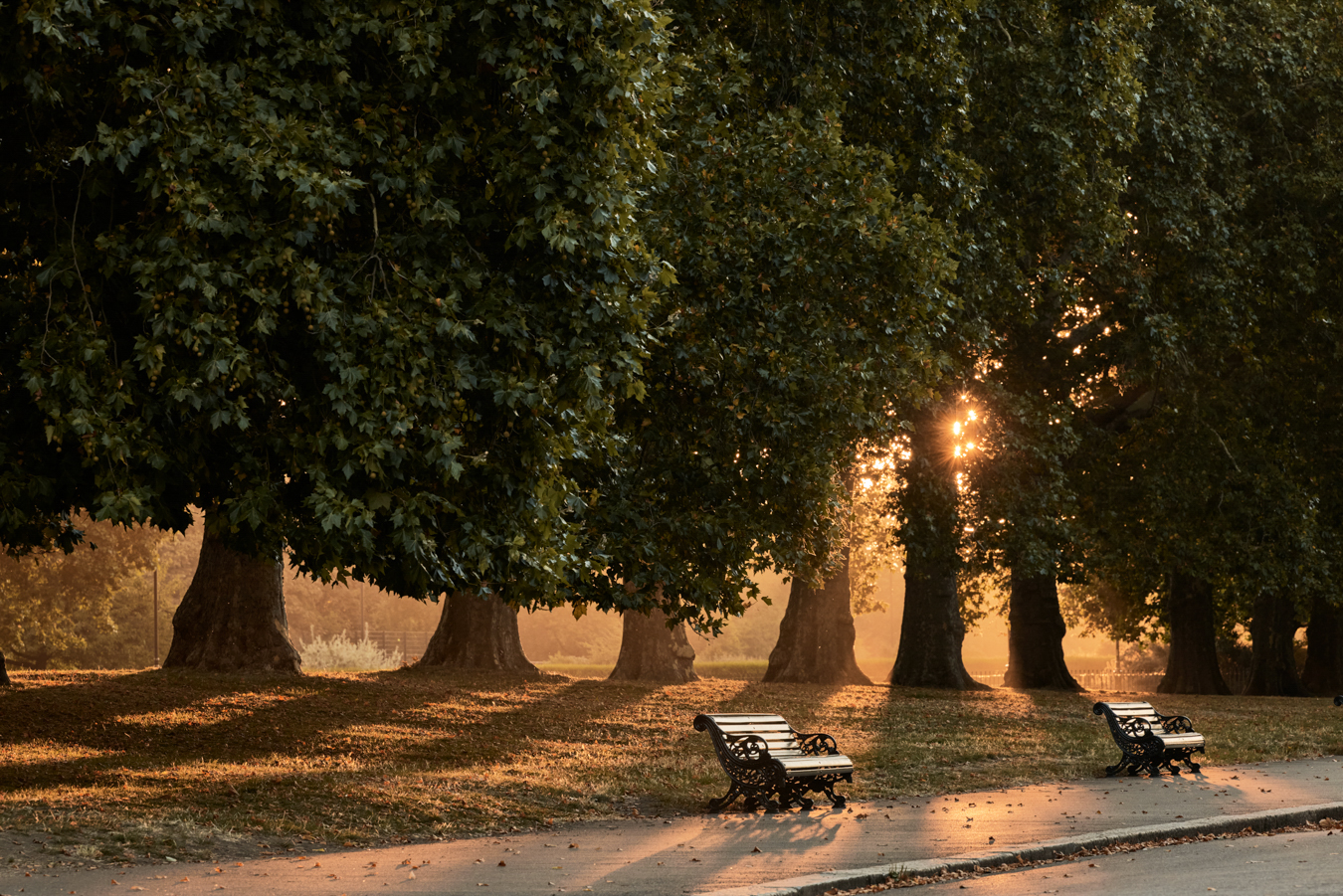
This is not retreat as escape, but retreat as recalibration. Bayswater, often overlooked in favour of louder postcodes, proves an astute choice. Hyde Park lies minutes away, offering literal green space, while Notting Hill provides cultural texture and lived-in vibrancy. The hotel does not remove guests from London; it alters their relationship with it.
Six Senses Place: A New Urban Typology
At the heart of the property sits Six Senses Place, the world’s first urban members’ club by Six Senses. Neither traditional club nor wellness annex, it proposes a new typology: a space dedicated to restoration and renewal, mindful movement, learning, and belonging — without performative exclusivity.
Access is carefully tiered. Hotel guests enjoy automatic entry during their stay; Whiteley residents hold membership by design; external members join through application. The result is a community defined less by status than by alignment.
Inside, social lounges, co-working spaces, and a library encourage exchange without obligation. Dedicated areas for breathwork and relaxation support quieter practices. Programming moves fluidly between lectures on longevity and sleep science, workshops on nutrition and aromatherapy, and cultural gatherings that privilege dialogue over display.
In a city saturated with private clubs, Six Senses Place distinguishes itself through intention rather than ornament.
Dreaming in Deco: Rooms as Instruments of Recovery
The 109 rooms and suites are shaped around three principles: quality sleep and recovery, space and natural light, and understated, quiet luxury. This is accommodation conceived not as backdrop, but as instrument.
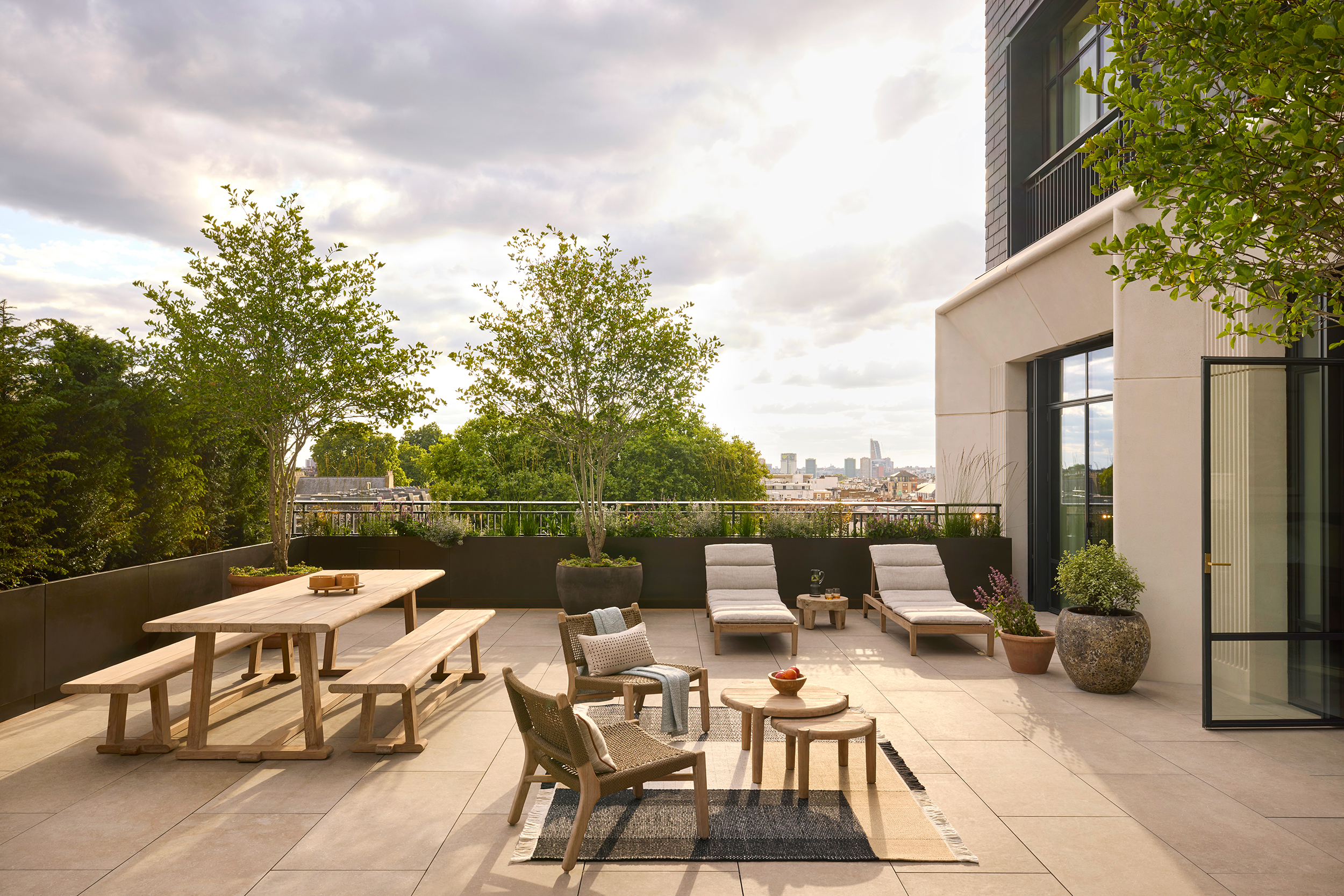
Art Deco references from The Whiteley’s heritage are interpreted through soft geometry and proportion rather than pastiche. Natural materials, muted palettes, and carefully modulated lighting create spaces that encourage decompression. Selected categories offer open-plan bathrooms, lounge areas, and terraces overlooking the courtyard or city — views that remind guests where they are, without demanding engagement.
It is an approach that resonates particularly with travellers for whom rest is not indulgence, but necessity.
Culinary Culture Without Theatre
Dining at Six Senses London follows the Eat With Six Senses philosophy, but expressed through the lens of contemporary British cuisine and West London character.
Whiteley’s Kitchen places seasonal produce at the centre of the table, with vegetables leading rather than supporting. Fermentation and open-fire cooking deepen flavour without embellishment, supported by an in-house fermentation lab that treats technique as craft rather than trend.
Whiteley’s Bar extends this thinking into liquid form. Created in collaboration with alchemist Charlotte Pulver, the cocktail programme explores botanicals, infusions, and fermented elements — equally compelling in alcoholic and non-alcoholic expressions. Each drink reads less as refreshment, more as narrative.
Whiteley’s Café completes the rhythm: an all-day space for conversation, pastry, and carefully sourced coffee, aligned with the unstudied elegance of the neighbourhood itself.
Wellness as Intelligence, Not Performance
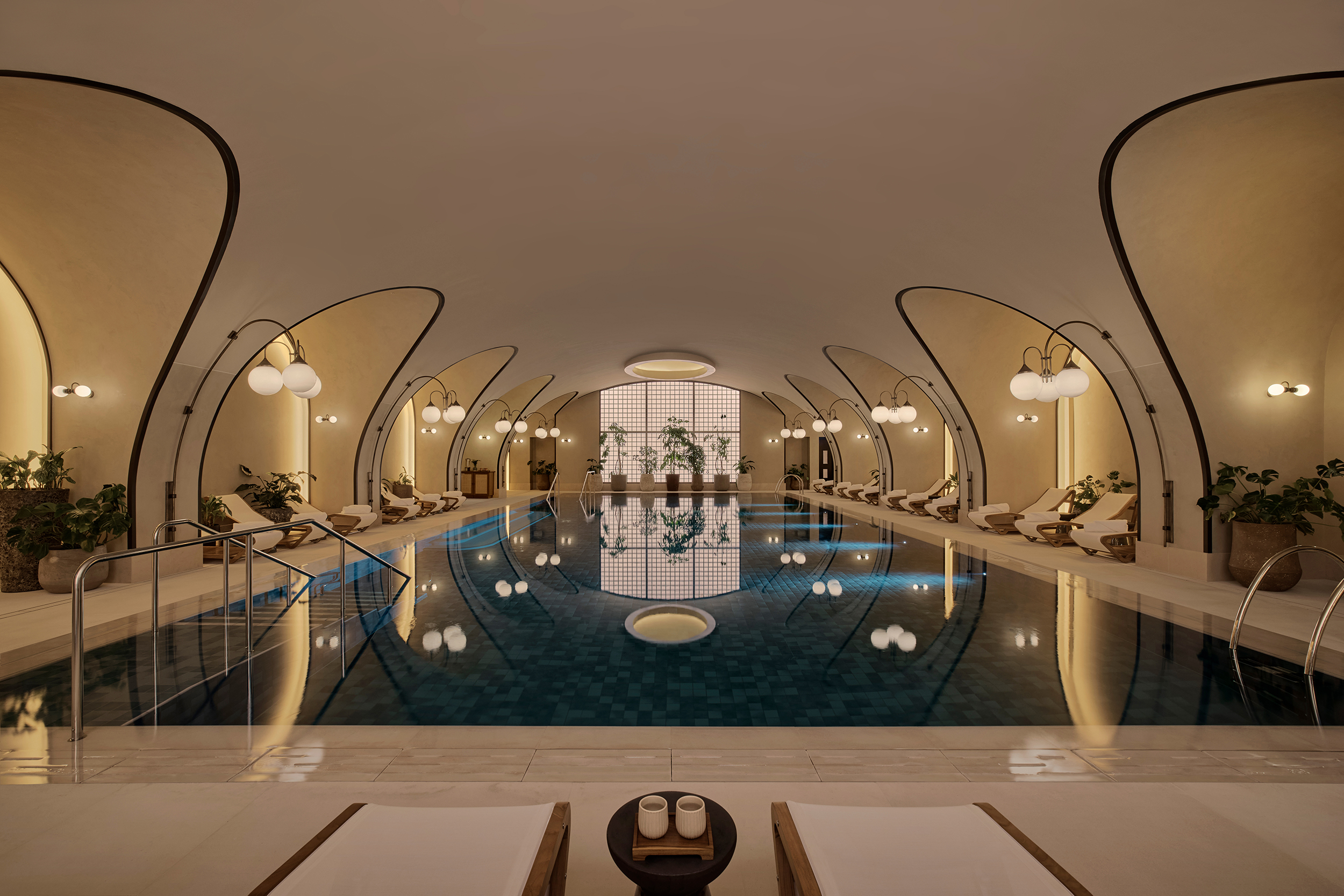
Six Senses Spa London is among the most extensive urban wellness destinations in the city, but its distinction lies in methodology rather than scale. Personalised diagnostics inform recovery, sleep, stress reduction, and longevity programmes, using non-invasive wellness screening and “smart” technologies to understand the body before attempting to optimise it.
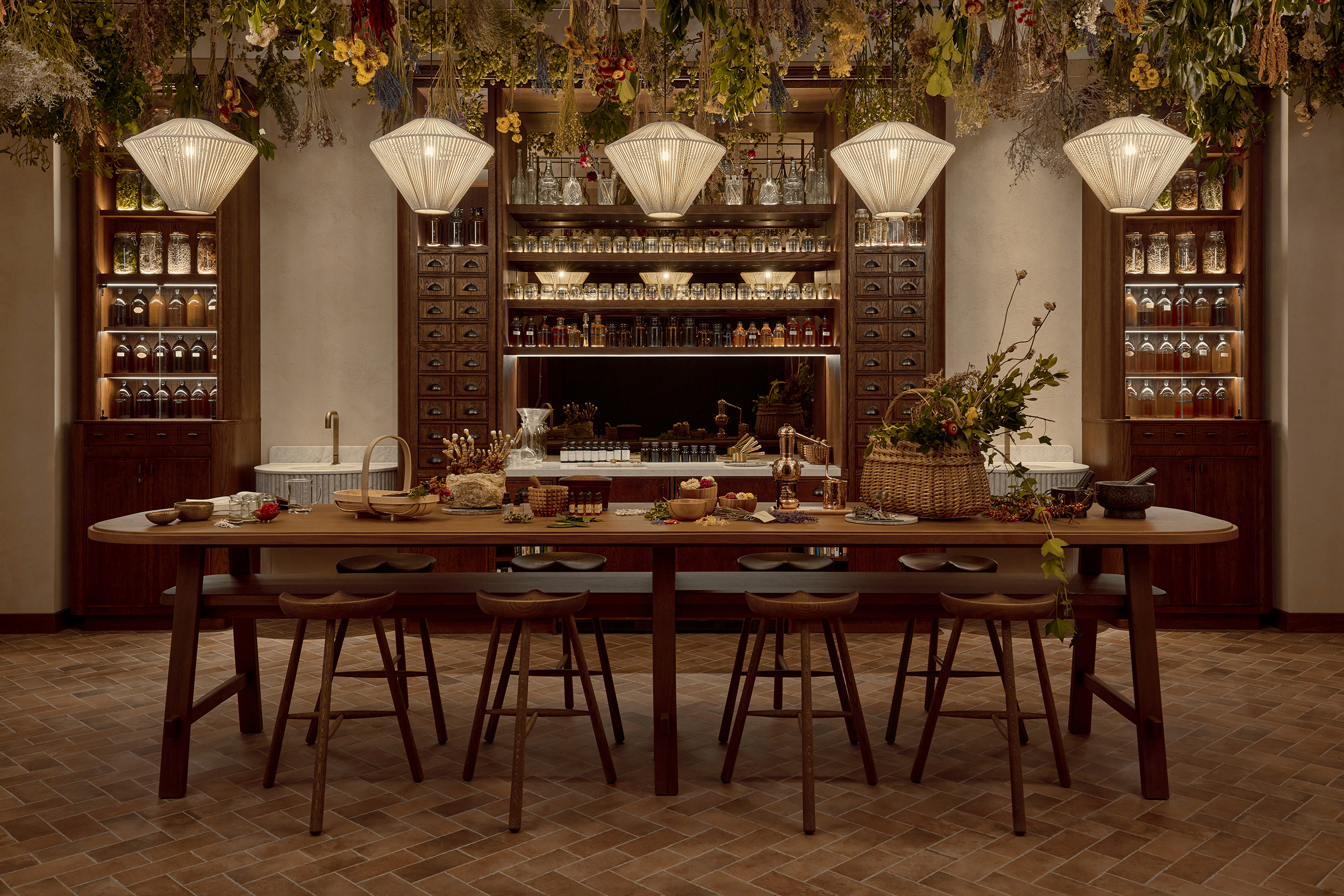
Facilities include 13 treatment rooms, bio sauna, movement studios, an Alchemy Bar grounded in European herbalism, and the Hum2n Clinic. Visiting specialists — from facial therapy and Traditional Chinese Medicine to physiotherapy and Ayurveda — anchor the spa in credibility rather than trend.
Wellness here is approached as intelligence: responsive, measured, and personal.
Why Six Senses London Matters
Six Senses London does not announce itself as a destination hotel. It presents itself as a framework: for rest, for reflection, for a more sustainable way of engaging with one of the world’s most demanding cities.
For the discerning traveller, its value lies not in novelty, but in relevance. It offers a rare alignment of heritage and modernity, privacy and community, urban energy and internal quiet.
Those seeking a deeper understanding of how Six Senses London fits within a broader cultural journey through the city may wish to explore its dedicated overview within our curated collection.
Conversations around Six Senses London are best begun not with dates, but with intention.