

How many seasons are there in the polar zone?
The polar zone is one of the most fascinating places on earth, with an extreme climate and unique biodiversity. But when it comes to the seasons, the polar zone has a unique system of seasons that is different from temperate regions.
At Exclusive Elite Travel, we offer special polar tours for those who want to explore the mysteries of this frozen landscape and experience the polar seasons in all their splendor. But how many seasons actually exist in the polar zone? Let’s find out together!
What are the seasons in the polar zone?
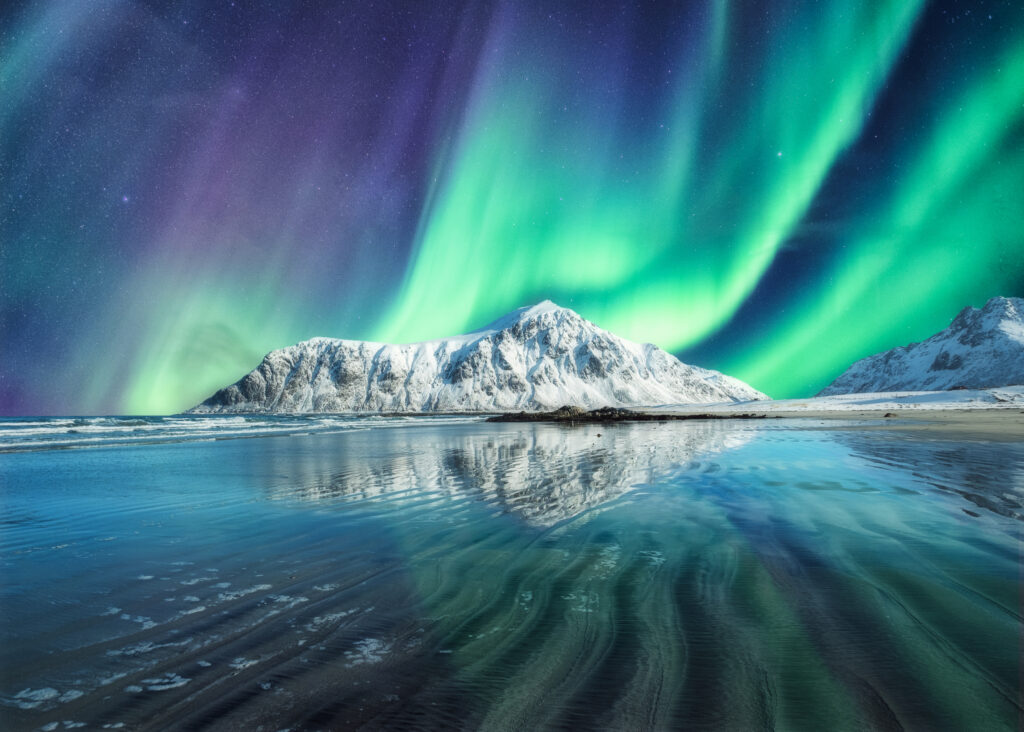
At the North and South Poles, the concept of seasons is different from the four seasons in temperate zones. Instead of spring, summer, fall and winter, the polar zone is dominated by two distinct seasons:
1. Polar winter – marked by permanent darkness (polar night).
2. Polar summer – characterized by constant light (polar day).
Polar winter
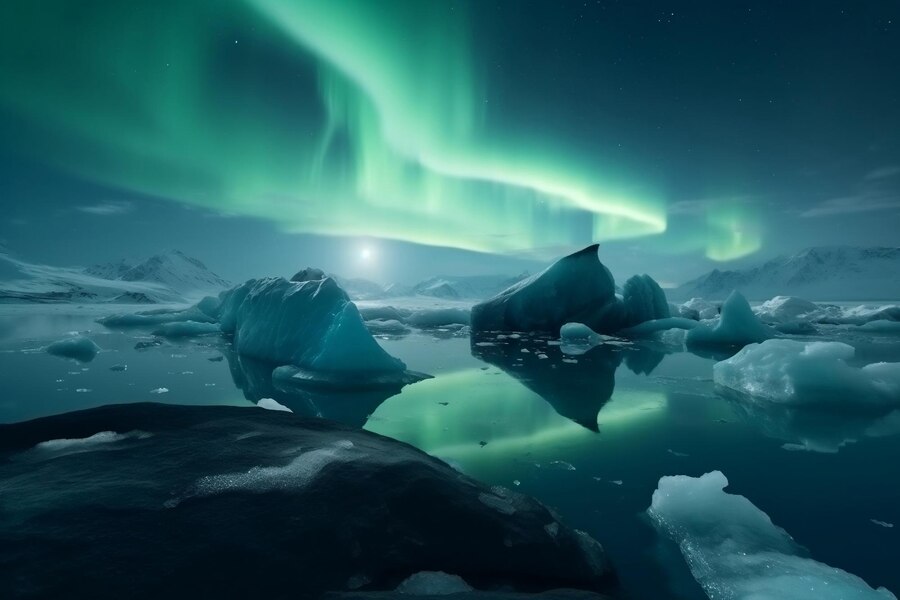
Polar winter is the period when the sun does not rise at all for several months. This phenomenon is known as polar night and occurs at both the North and South Poles. During this period, temperatures drop dramatically and the landscape is completely covered in ice and snow. Temperatures can reach -50°C or even colder in some regions.
Did you know?
The polar night can last from 1 month (in regions close to the polar circles) to 6 months (exactly at the poles). For example, at the North Pole, the polar night starts around October and lasts until March.
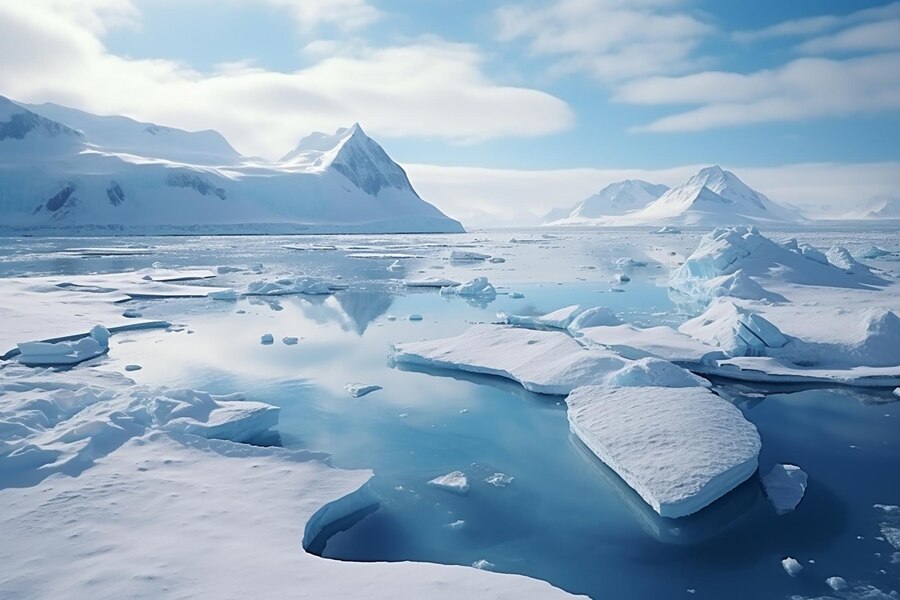
Polar summer Polar summer is the opposite of polar winter. During this season, the sun does not set at all for several months, a phenomenon known as polar day or midnight sun. This period of continuous daylight allows for slightly warmer temperatures, although it is still cold compared to other regions. Temperatures vary between 0°C and 10°C, and tundra vegetation begins to emerge.
Did you know?
The polar day is shorter than the polar night at both poles. At the North Pole, the polar day lasts about 6 months, starting in April and ending in September.
Why does the polar zone have only two seasons?
The polar zone has only two seasons because of the tilt of the Earth’s axis and its position relative to the sun. This means that over the course of a year, the polar regions are exposed to either continuous sunlight or total darkness. This configuration has been a determining factor in the development of a unique ecosystem where plants, animals and humans have learned to thrive in harsh conditions.
Unlike in temperate zones, where there is a regular alternation of seasons, at the poles, the change between day and night occurs only twice a year. This means the polar region works to its own rhythm, and those who live or travel here have to adapt to these unusual conditions.
How to experience the polar seasons?
If you dream of seeing these dramatic changes with your own eyes and experiencing the sheer beauty of the polar zone, now it’s easier than ever to do it. At Exclusive Luxury Travel we offer trips tailored to your needs, whether you want to explore the polar night, observe the aurora borealis or discover the wildlife of the polar summer.
You can enjoy:
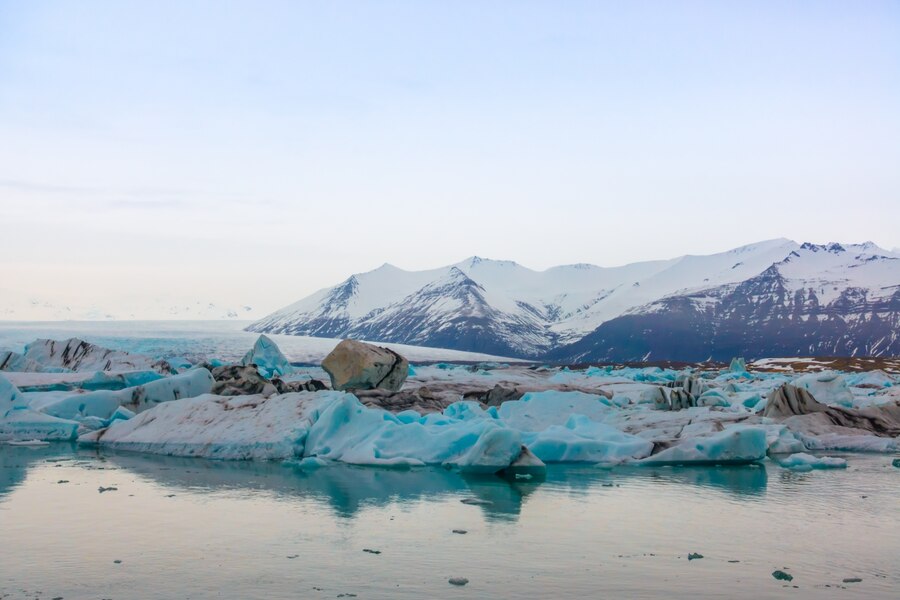
– Guided wildlife watching tours – polar bears, reindeer, seals, walrus, walrus, penguins and even arctic whales, depending on the polar region you choose, Arctic or Antarctic.
– Dog sled adventures – a traditional Arctic experience that will take you on enchanting trails.
– Camping in the tundra – for an authentic experience on the edge between wilderness and civilization.
– Northern Lights hunting – the polar winter gives you the opportunity to see one of the most spectacular natural phenomena on the planet.
The impact of the polar seasons on wildlife
Seasonal changes in the polar zone profoundly influence the ecosystem and the behavior of local animals. Species such as polar bears, penguins, reindeer and polar foxes have adapted their life cycles to these extreme changes in light and temperature. For example, polar bears use up their fat reserves during the polar winter when food is harder to find and the polar summer becomes the active hunting season.
Now that you know more about the polar seasons, are you ready to explore this fascinating destination?
Source for inspiration: World Wildlife Fund (WWF) – Adaptations of Arctic Wildlife