

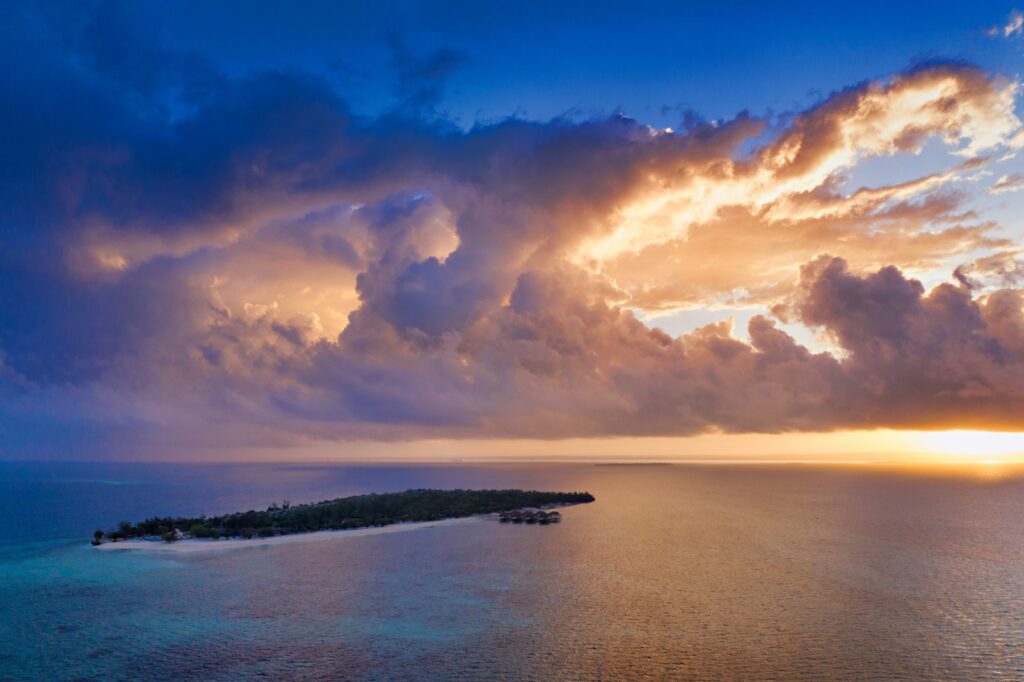
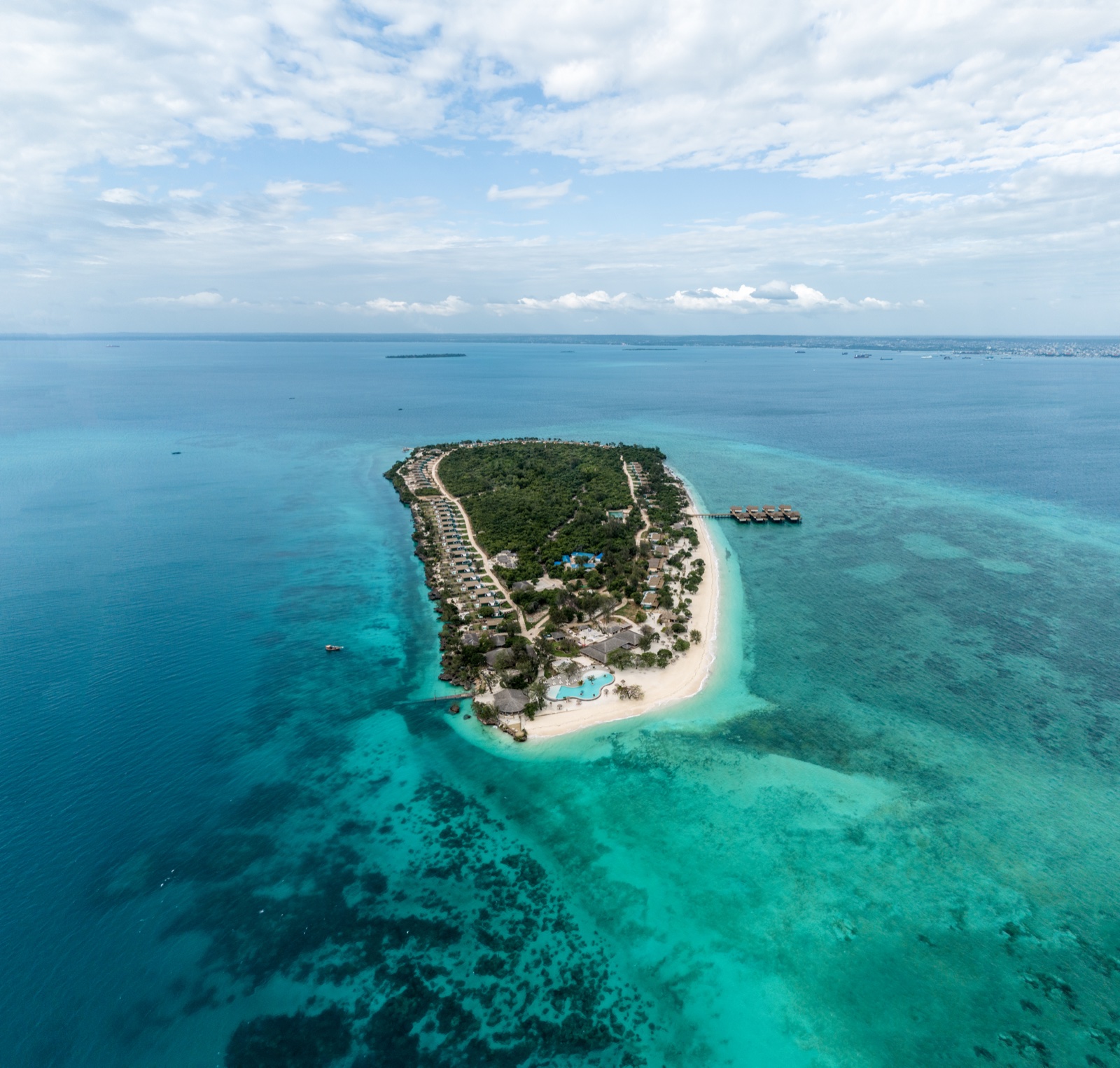
There are islands that announce themselves loudly, and there are those that require a certain attentiveness to be understood. Bawe Island belongs to the latter. Set just off the coast of Zanzibar, yet worlds apart in tempo and intention, Bawe is not a destination defined by spectacle. It is defined by restraint.
To arrive here is not to escape civilization, but to recalibrate one’s relationship with it. Bawe Island functions less as a resort enclave and more as a contemporary sanctuary—one that draws from the Swahili coast’s layered history, the rhythms of the Indian Ocean, and a philosophy of presence that has quietly endured long before luxury found language to describe it.
An Island Shaped by Context, Not Excess
Zanzibar’s cultural gravity has always rested on exchange: trade routes linking Africa, Arabia, India, and Europe; Stone Town’s coral stone architecture; the scent of cloves carried across centuries of movement and encounter. Bawe Island, though geographically close, offers a counterpoint. Where Stone Town narrates history through density and dialogue, Bawe speaks through space and silence.
The island’s relative seclusion allows it to act as a contemplative margin—an in-between place where the traveler is invited to observe rather than consume. This is not accidental. Bawe’s position within a protected marine environment reinforces a sense of guardianship rather than ownership, a theme that resonates deeply with travelers who value legacy over immediacy.
The Symbolism of Water and Threshold
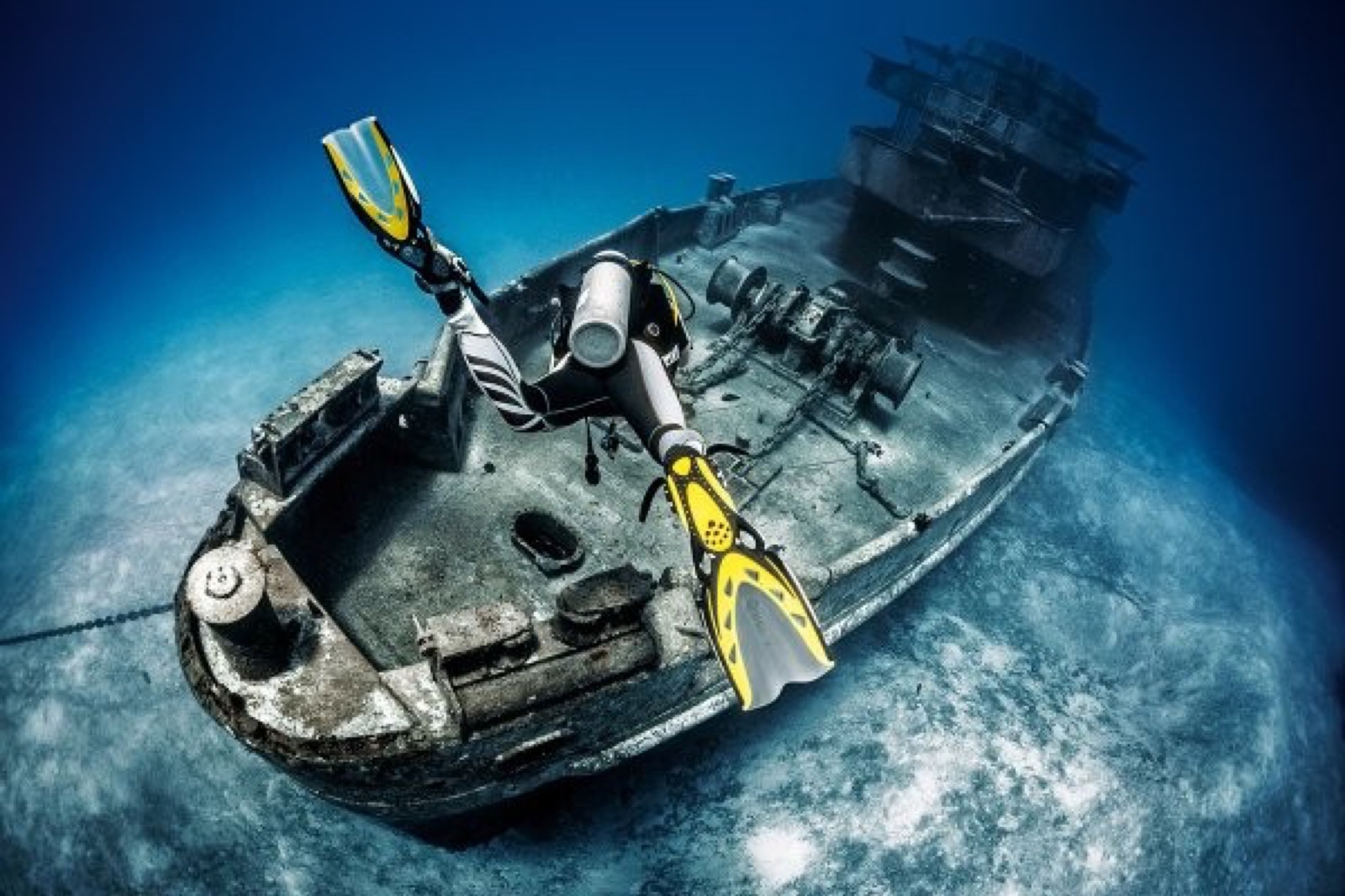
Water has always been a symbolic threshold in Swahili cosmology: a space of passage, trade, and spiritual continuity. On Bawe, the surrounding ocean is not a backdrop but a constant interlocutor. The house reefs that encircle the island—accessible quietly, without spectacle—reveal an underwater world that shifts with the light and the hour.
Night snorkeling, in particular, offers an almost ritualistic experience. As the reef transforms after dusk, one is reminded that rarity is not always found in distance, but in timing—knowing when to arrive, and when to withdraw. This sensitivity to rhythm mirrors Bawe’s broader narrative: luxury as attunement, not abundance.
Wellness as Reconnection, Not Indulgence
Wellness on Bawe Island is articulated through return rather than escape. The spa philosophy draws on African botanicals, indigenous rituals, and elemental symbolism—earth, salt, heat, and flow—without the performative excess often associated with contemporary wellness culture.
Treatments are framed as journeys rather than services: slow, sequential, and intentionally immersive. Rituals such as full-body polishes, wraps, and ocean-inspired massages emphasize grounding and circulation, echoing the island’s own tidal movements. The language here is not about transformation as reinvention, but as remembrance—of balance, of breath, of physical intelligence.
For the discerning traveler, this approach carries significance. It suggests a respect for systems older than trend, and a belief that restoration is cumulative, not instantaneous.
Encounters Beyond the Island
Bawe does not exist in isolation from Zanzibar’s wider cultural ecosystem. Select excursions—undertaken privately and without haste—extend the island’s narrative rather than dilute it. Journeys through Stone Town reveal the architectural memory of Swahili civilization and its UNESCO-recognized heritage. The Jozani Forest offers a lesson in conservation, where the revival of the endemic red colobus monkey stands as a rare example of ecological patience rewarded.
These experiences are not framed as sightseeing, but as contextual immersion. They provide intellectual texture, allowing Bawe Island to be understood not as an escape from Zanzibar, but as one of its quieter expressions.

Dining as Ceremony
On Bawe, dining experiences are often removed from conventional settings. Sandbank dinners and earth-set “digging” dinners transform meals into temporary ceremonies—moments shaped by tide, firelight, and the deliberate pace of preparation. These are not performances staged for novelty, but controlled environments designed to heighten awareness.
For UHNW travelers accustomed to excellence, the appeal lies in intentional limitation: a fixed number of guests, a defined moment in time, an experience that cannot be replicated at will. It is luxury aligned with ephemerality.
Why Bawe Matters Now
In an era where luxury is increasingly performative and visible, Bawe Island represents a counter-movement. Its value lies not in scale, but in discernment. It asks the traveler to slow down, to notice thresholds—between land and sea, history and present, solitude and connection.
Bawe’s relevance to a sophisticated audience is therefore symbolic. It reflects a broader shift among UHNW individuals toward experiences that reinforce personal philosophy rather than status. Places that are not widely broadcast, yet deeply considered. Environments that privilege coherence over novelty.
Bawe Island is not about arrival. It is about alignment.
For those who understand travel as a form of quiet authorship—writing oneself briefly into a place, then leaving it intact—Bawe offers a rare, unforced chapter.
Private journeys to Bawe Island are considered through individual consultation, guided by timing, intention, and relevance rather than availability.