

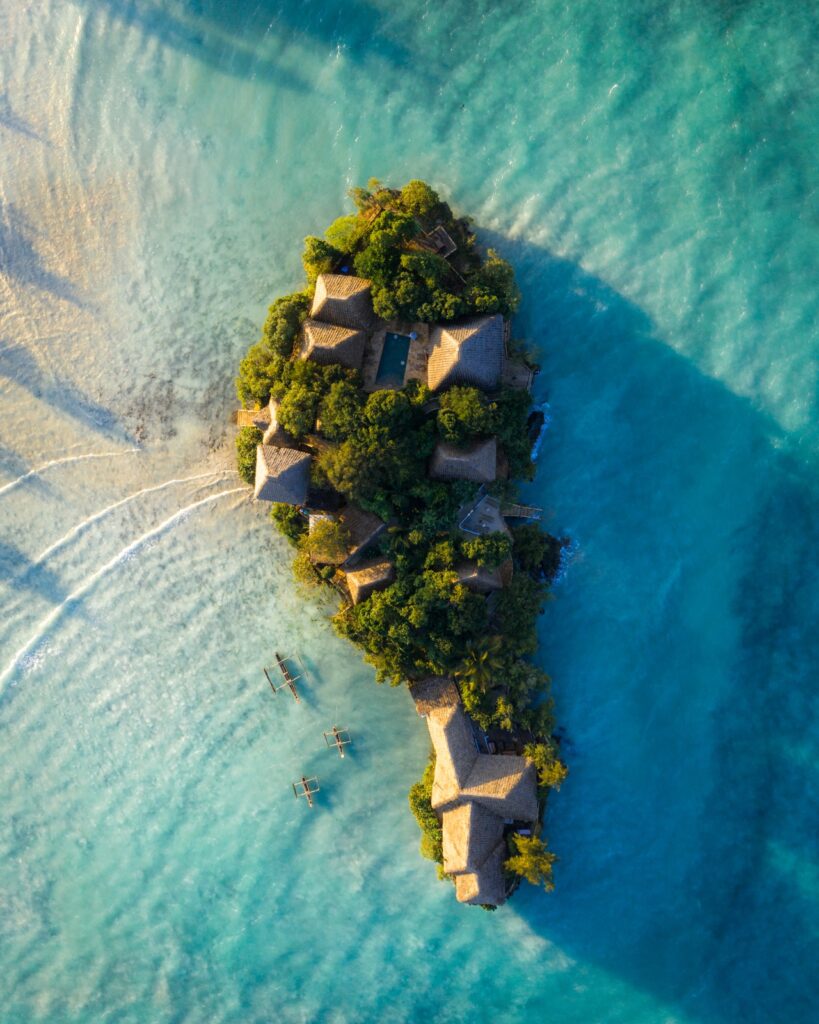
There are places that impress by accumulation, and others that resonate through subtraction. Pongwe Island belongs decisively to the latter. Set in the calm embrace of Pongwe Bay, off Zanzibar’s eastern coast, this private islet is less a hotel than a deliberate act of withdrawal—a place where scale, noise, and distraction have been consciously edited out in favor of silence, rhythm, and elemental presence.
For the discerning traveler, Pongwe Island is not a destination chosen lightly. It is chosen when the desire is not to be entertained, but to be reoriented.
An Island as Philosophy
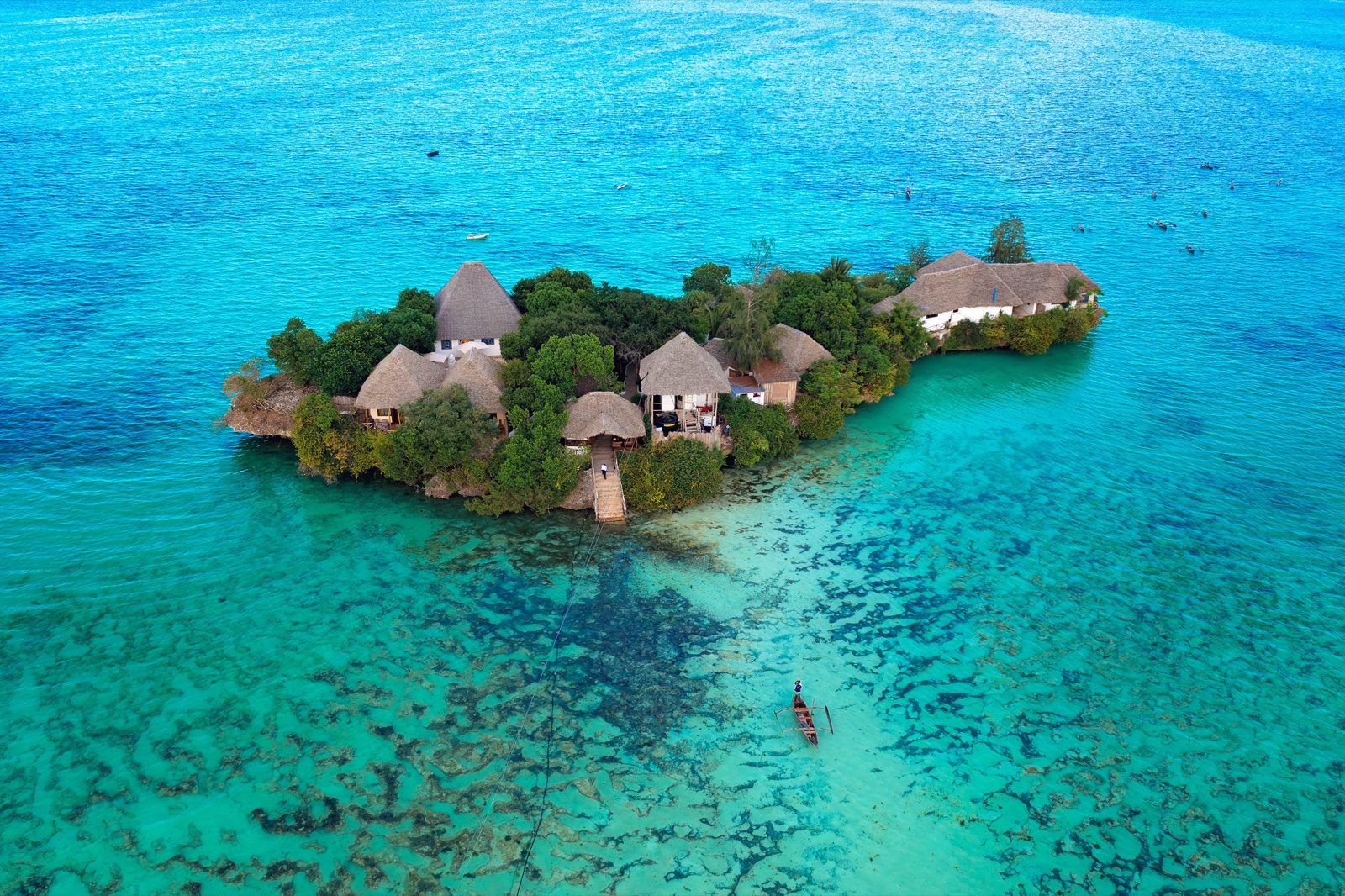
Pongwe Island is part of The Cocoon Collection, a family-led hospitality group whose roots stretch back over four decades across the Indian Ocean, from Sri Lanka to the Maldives and Zanzibar. That lineage matters. Not as a branding exercise, but as a cultural posture: one that privileges continuity, intuition, and lived experience over trend-driven luxury.
The island hosts just six bungalows in total—five villas and one singular Sultan Villa—hidden beneath trees, shaped by natural materials, and intentionally disconnected from the digital world. There are no televisions, no air conditioning, no electronic soundscapes imposed on the environment. This is not deprivation; it is design as discipline.
Luxury here is expressed as trust—in the breeze, the tide, the body’s ability to recalibrate without constant stimulation.
The Tide as Metronome
The defining feature of Pongwe Island is not architectural. It is tidal.
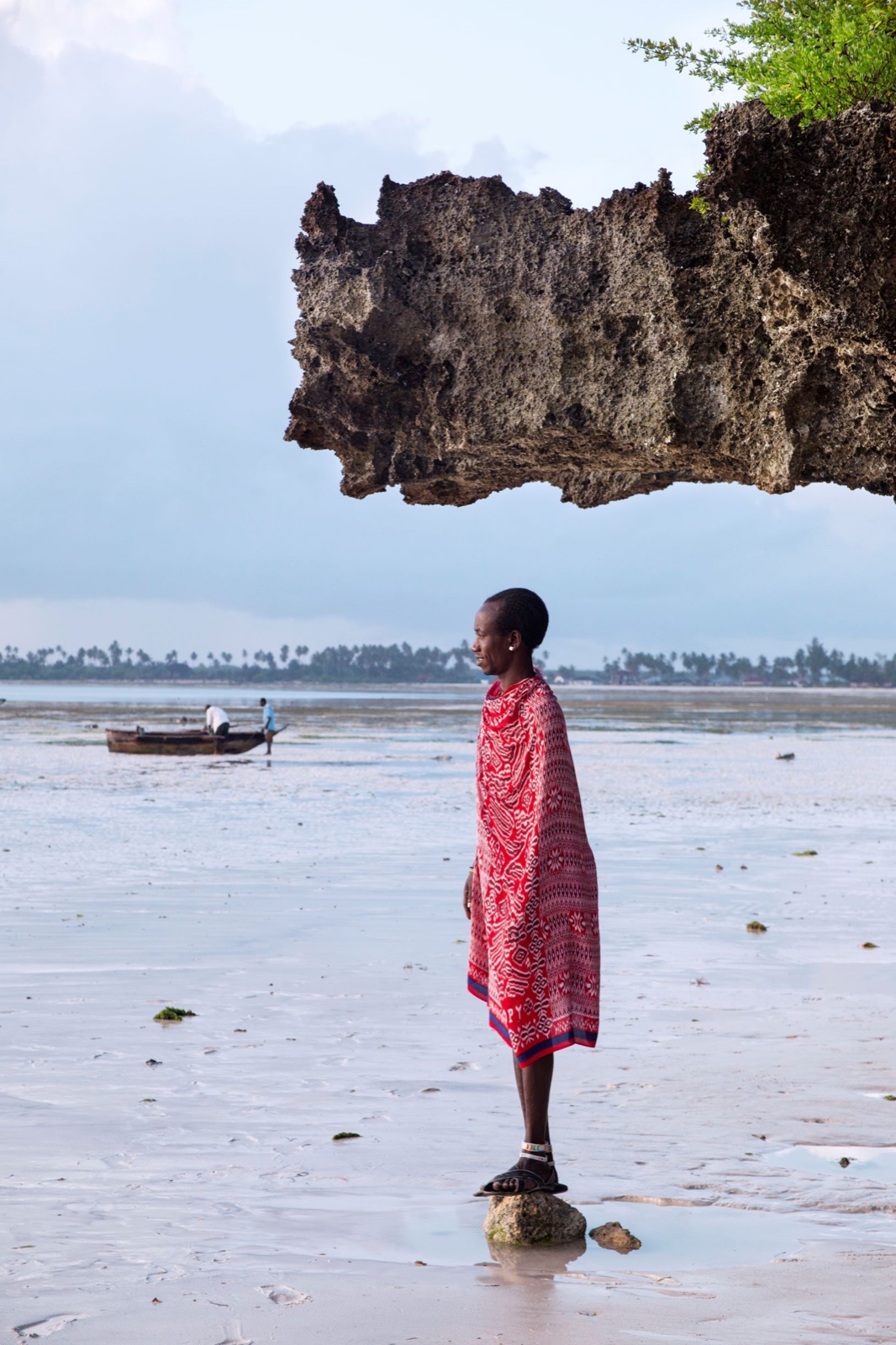
Twice a day, the Indian Ocean redraws the boundaries of the island. At high tide, guests arrive by canoe, crossing water in a gesture that feels quietly ceremonial. At low tide, the sea recedes, revealing sandbanks, coral pools, and pathways that allow one to walk back to the mainland barefoot, at eye level with sea life and seaweed farms tended by local women.
This daily oscillation becomes a metronome for life on the island. Activities, meals, explorations—everything is subtly dictated by the water’s movement rather than a clock. For travelers accustomed to controlling time, Pongwe offers something far rarer: the experience of yielding to it.
Architecture That Knows When to Disappear
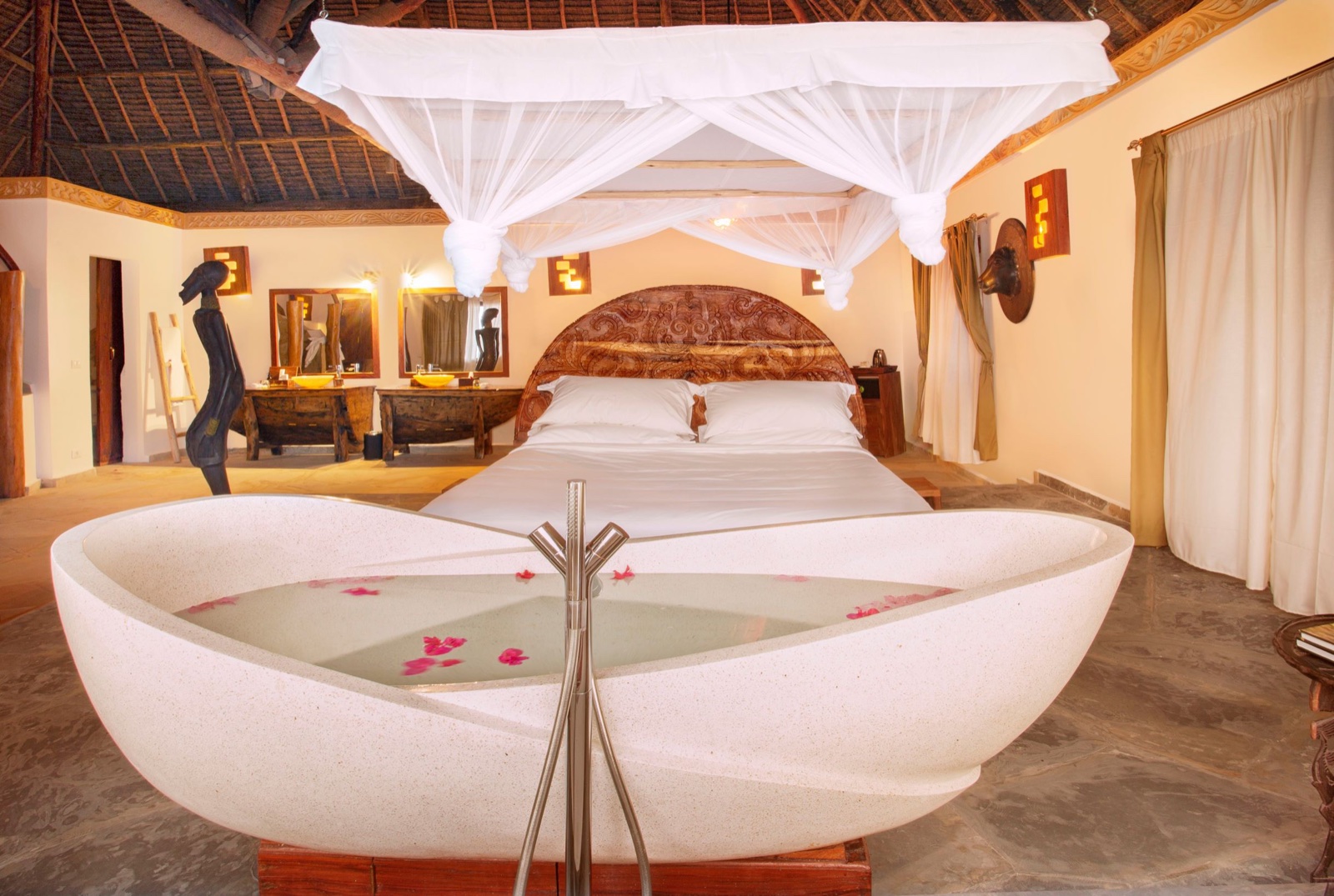
The villas—Bay View, Ocean View, and the Sultan Villa—are conceived as shelters rather than statements. Natural wood, Tanga stone showers, shaded verandas, and open-air circulation create spaces that feel porous rather than enclosed. Beds face the ocean; bathtubs frame sunrise. The design language blends African and Arabic influences, echoing Zanzibar’s historical position as a crossroads of cultures without slipping into pastiche.
Privacy is absolute, but never isolating. Each villa opens toward the elements—wind, light, salt air—reminding guests that retreat does not require separation from the world, only a different angle of engagement.
Gastronomy as Quiet Ceremony
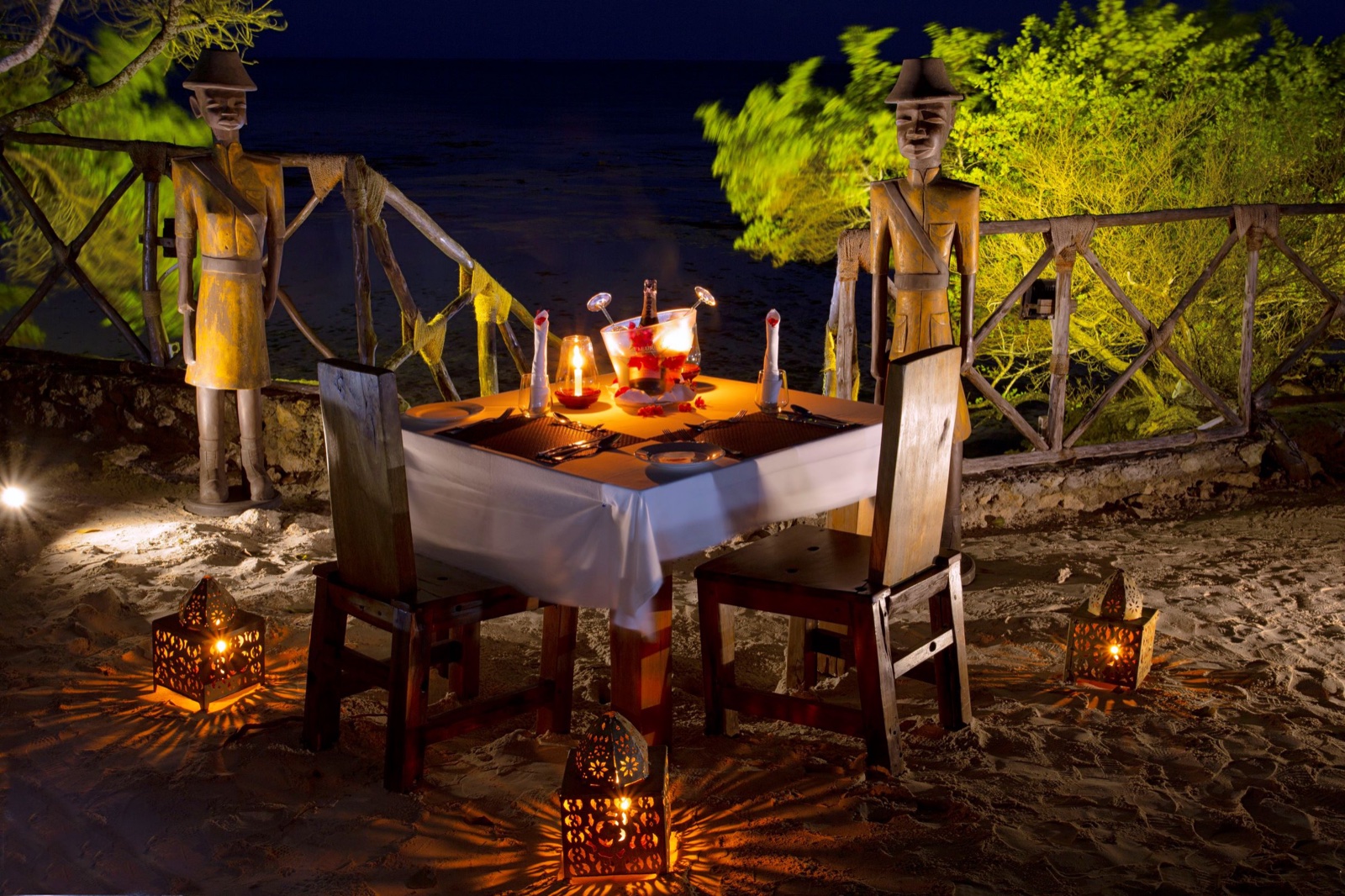
Dining on Pongwe Island resists spectacle. The gourmet restaurant focuses on freshly prepared dishes using local products, interpreted through a restrained, contemporary lens. Meals unfold slowly, often accompanied by nothing more than the sound of water against wood.
Occasionally, dining shifts location: an ocean-view terrace reserved for a private evening, or a table positioned to catch the last light as the tide turns. These are not “experiences” staged for novelty, but moments that feel earned through presence and patience.
For the UHNW traveler, this distinction is critical. True luxury is not what can be replicated anywhere—it is what only makes sense in one place, at one time.
The Body, Re-Aligned
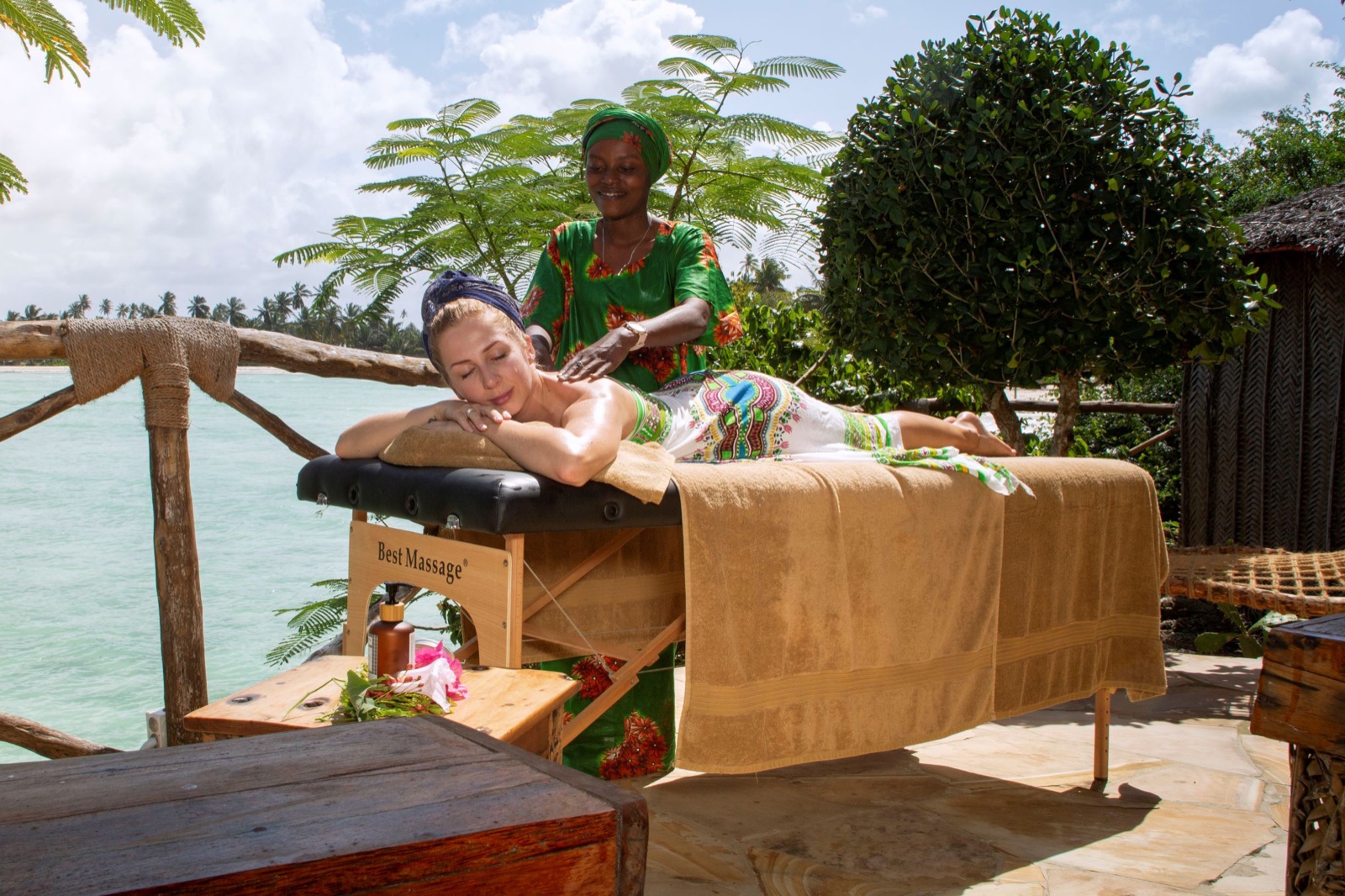
Wellbeing on Pongwe Island is intimate and unbranded. Treatments are offered in the privacy of one’s veranda, accompanied by wind, waves, and the muted textures of the natural world. Therapies draw on Swahili traditions and locally inspired oils, emphasizing circulation, grounding, and release rather than transformation as performance.
The effect is cumulative rather than dramatic. Days soften. Sleep deepens. The nervous system gradually relearns a slower language.
This approach mirrors a broader truth: restoration does not require intensity. It requires consistency and respect for the body’s own intelligence.
Cultural Proximity Without Intrusion
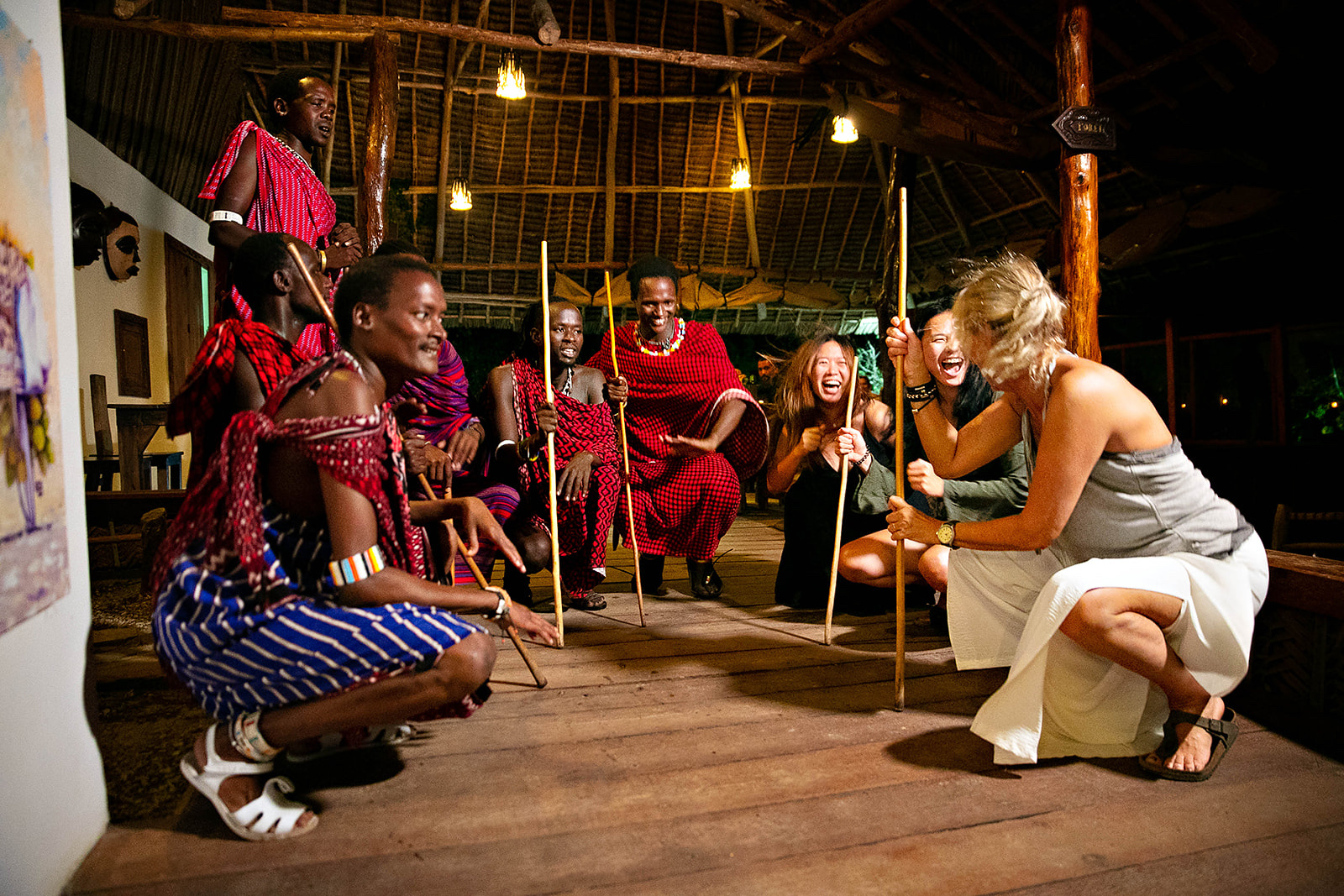
Though Pongwe Island feels remote, it is not culturally detached. The surrounding bay offers encounters shaped by local knowledge and timing: sailing on traditional dhow boats, line fishing with village fishermen, snorkeling over the reef as tides permit.
On land, excursions to Stone Town—UNESCO-listed and layered with Arab, Persian, Indian, and European histories—provide intellectual and cultural counterpoint to the island’s quietude. Visits to spice farms or Jozani Forest, home to the rare red colobus monkey, extend the narrative into ecology and conservation rather than sightseeing.
Notably, the Azzola family’s Sofia Luna Azzola Foundation actively supports education and community infrastructure on the island, reinforcing a relationship with Zanzibar rooted in responsibility rather than extraction.
Why Pongwe Matters
In a world where luxury is increasingly loud, visible, and algorithmically optimized, Pongwe Island stands apart by choosing near-invisibility. Its rarity lies not in price or access, but in intention.
This is a place for travelers who no longer seek affirmation through travel, but alignment. Who understand that the most meaningful journeys do not add layers, but remove them. Who recognize that silence, when carefully protected, becomes a form of privilege.
Pongwe Island does not promise transformation. It allows it.
Journeys to places like Pongwe Island are best approached through thoughtful conversation, where timing, temperament, and intention quietly determine relevance.